How Laser Dentistry Is Changing the Future of Dental Treatments
Introduction
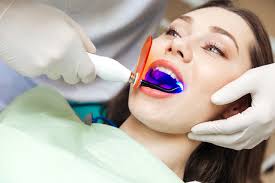
Modern dentistry has entered a new era of innovation, and laser dentistry is at the heart of it. By using focused light energy, dentists can now perform a wide range of procedures with greater precision, less pain, and faster healing times. From cavity removal to gum reshaping, laser technology is redefining patient experiences and outcomes. Understanding how laser dentistry works — and how it’s changing the future of dental treatments — can help you appreciate why this breakthrough technology is here to stay.
What Is Laser Dentistry?
Laser dentistry involves the use of highly focused light beams (lasers) to perform dental procedures. The word “laser” stands for Light Amplification by Stimulated Emission of Radiation.
In dentistry, lasers can cut, vaporize, or reshape soft and hard tissues depending on the wavelength used. There are two main types of dental lasers:
- Soft Tissue Lasers: Used for gums and other soft tissue treatments.
- Hard Tissue Lasers: Used for teeth and bone-related procedures.
Laser dentistry offers a minimally invasive alternative to traditional tools like drills and scalpels, improving both comfort and precision.
How Laser Dentistry Works
Lasers emit energy in the form of light, which reacts differently with various tissues. For example:
- Hard tissue lasers target water and hydroxyapatite in teeth, effectively cutting through enamel.
- Soft tissue lasers target water and hemoglobin, making them perfect for cutting and cauterizing gum tissue.
Because of this precision, lasers can perform treatments with minimal bleeding, reduced pain, and faster healing — transforming the patient experience entirely.
Applications of Laser Dentistry
1. Cavity Detection and Tooth Decay Removal
Lasers can detect cavities in their earliest stages and remove decayed areas precisely without affecting healthy tooth structure. This process often eliminates the need for drilling and anesthesia, making treatments more comfortable.
2. Gum Disease Treatment
Soft tissue lasers effectively remove infected tissue and bacteria from periodontal pockets. They also promote tissue regeneration and faster healing compared to traditional gum surgery.
3. Teeth Whitening
Laser-assisted whitening treatments can dramatically speed up the bleaching process. The laser activates the whitening agent, providing instant results in just one session.
4. Gum Reshaping and Aesthetic Contouring
For patients with a “gummy smile,” lasers allow dentists to sculpt gum lines with precision and minimal discomfort, improving the overall aesthetics of the smile.
5. Root Canal Disinfection
Lasers are used to sterilize root canals, eliminating bacteria more effectively than traditional methods and reducing post-treatment complications.
6. Removal of Oral Lesions and Biopsies
Dentists can use lasers to painlessly remove benign tumors, ulcers, and other lesions from the mouth, often without the need for sutures.
Benefits of Laser Dentistry
| Benefit | Description |
|---|---|
| Minimized Pain | Reduces the need for anesthesia during many procedures. |
| Faster Healing | Lasers promote clotting and tissue regeneration. |
| Precision | Targets only affected areas, preserving healthy tissue. |
| Less Bleeding and Swelling | The laser cauterizes as it cuts, minimizing trauma. |
| Reduced Risk of Infection | Sterilizes the treatment area during use. |
| Shorter Appointments | Speeds up procedures and recovery time. |
These benefits make laser dentistry a game-changer for both patients and dental professionals.
Laser Dentistry vs. Traditional Dentistry
| Aspect | Traditional Dentistry | Laser Dentistry |
|---|---|---|
| Instruments Used | Drills, scalpels, manual tools | Focused light beams (lasers) |
| Pain Level | Often requires anesthesia | Usually minimal discomfort |
| Bleeding | More common during procedures | Significantly reduced |
| Healing Time | Several days | Faster recovery |
| Infection Risk | Moderate | Lower due to sterilization effect |
| Precision | Less targeted | Highly precise and selective |
This comparison clearly shows how laser dentistry is revolutionizing the dental care experience.
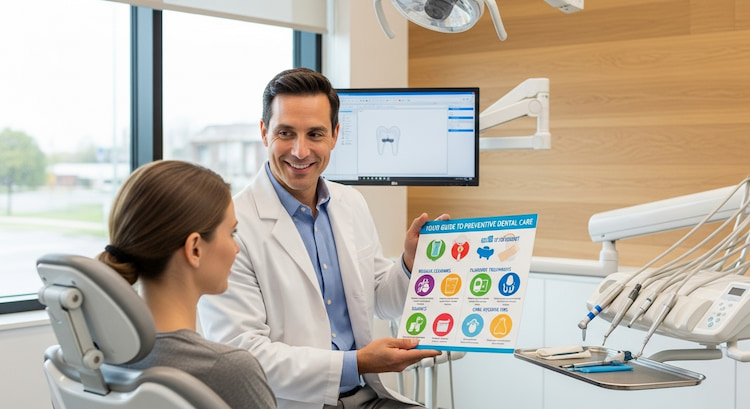
The Role of Laser Dentistry in Preventive Care
Beyond treatment, laser technology plays a vital role in preventive dental care.
- Early cavity detection using low-intensity lasers helps stop decay before it worsens.
- Bacterial reduction therapies minimize risks of periodontal disease.
- Soft tissue laser therapy can improve gum health and reduce inflammation.
By combining laser diagnostics with preventive strategies, dentists can provide more proactive, less invasive care.
Is Laser Dentistry Safe?
Yes, laser dentistry is FDA-approved and considered safe when performed by trained dental professionals. The energy levels and wavelengths are carefully controlled for each procedure.
Safety measures include:
- Protective eyewear for patients and staff
- Calibration of laser power and duration
- Proper training and certification for dentists
Because the laser also sterilizes the area during treatment, the risk of infection is significantly lower compared to conventional procedures.
The Future of Laser Dentistry
Laser technology continues to evolve, and its applications in dentistry are expanding rapidly. Future innovations may include:
- AI-guided laser diagnostics for early detection of decay and oral cancer
- Regenerative laser therapies that stimulate natural tissue growth
- Fully automated laser procedures integrated with 3D imaging systems
As these technologies develop, laser dentistry is expected to become the new standard for safe, painless, and precise dental care.
Conclusion
Laser dentistry represents a major leap forward in modern dental care — combining science, technology, and comfort. It offers patients pain-free treatments, faster recovery, and superior precision that traditional methods can’t match. From preventive care to complex surgeries, lasers are reshaping the way dentists diagnose and treat oral health issues. As this technology continues to advance, the future of dental treatments looks brighter — and far more comfortable — than ever before.
FAQs
Q1. Does laser dentistry hurt?
Most patients experience little to no pain during laser procedures. In many cases, anesthesia isn’t even necessary.
Q2. Is laser dentistry safe for everyone?
Yes, laser dentistry is safe for adults and children when performed by a qualified dentist using FDA-approved equipment.
Q3. How long do laser dental treatments take?
Laser procedures are typically quicker than traditional ones, often completed in a single visit.
Q4. Are laser dental treatments expensive?
While initial costs may be higher, laser treatments often save money in the long term by reducing the need for anesthesia, follow-ups, and healing time.
Q5. What dental problems can lasers treat?
Lasers can treat cavities, gum disease, tooth sensitivity, oral lesions, and even assist in cosmetic procedures like teeth whitening and gum reshaping.











Post Comment