The Role of Exercise in Women’s Reproductive Health
Introduction
Exercise is often praised for its benefits on heart health, weight management, and mental well-being — but its impact on women’s reproductive health is just as significant. From balancing hormones and improving fertility to easing menstrual discomfort and supporting pregnancy, physical activity plays a vital role in maintaining a healthy reproductive system.
Understanding the connection between exercise and reproductive health helps women make informed lifestyle choices that enhance both physical and hormonal wellness. Let’s explore how exercise influences different aspects of reproductive health and what types of activities offer the greatest benefits.
Understanding Women’s Reproductive Health
Women’s reproductive health encompasses a wide range of functions, including menstruation, fertility, pregnancy, and menopause. These processes are controlled by hormones such as estrogen, progesterone, FSH, and LH.
When these hormones are balanced, the reproductive system functions efficiently. However, stress, poor nutrition, and inactivity can disrupt this balance — leading to issues like irregular periods, PCOS, infertility, or menstrual pain.
Regular exercise helps regulate these hormones, improve blood flow to reproductive organs, and maintain a healthy body weight — all essential for optimal reproductive health.
How Exercise Affects the Female Reproductive System
Exercise influences nearly every aspect of reproductive function. Below are key ways it benefits women’s reproductive health:
1. Regulates Hormonal Balance
Regular physical activity helps regulate estrogen and progesterone levels.
- It reduces excess estrogen — which can contribute to PMS, fibroids, and endometriosis.
- Exercise promotes the release of endorphins, natural mood stabilizers that ease anxiety and hormonal fluctuations.
2. Improves Fertility
Moderate exercise enhances circulation to the reproductive organs, supporting egg health and ovulation.
- For women with PCOS (Polycystic Ovary Syndrome), consistent exercise reduces insulin resistance and supports regular menstrual cycles.
- Studies suggest that women who engage in moderate exercise 3–5 times a week have improved fertility outcomes compared to sedentary individuals.
3. Eases Menstrual Symptoms
Exercise can relieve cramps, bloating, and mood swings during menstruation.
- Physical activity boosts blood circulation, reducing uterine muscle spasms.
- Yoga, stretching, and light cardio help alleviate PMS symptoms naturally.
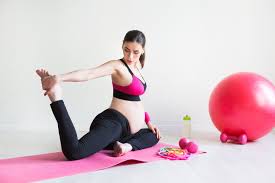
4. Supports Healthy Pregnancy
Exercise during pregnancy benefits both the mother and baby.
- It improves posture, reduces back pain, and prevents gestational diabetes.
- Strengthening the pelvic floor muscles aids in labor and postpartum recovery.
- Moderate exercises like walking or prenatal yoga are safe and effective with a doctor’s approval.
5. Prevents Weight-Related Fertility Issues
Being overweight or underweight can disrupt ovulation and menstrual cycles.
- Exercise helps maintain a healthy BMI (Body Mass Index), which is crucial for hormonal stability.
- Even a 5–10% reduction in body weight can restore normal ovulation in overweight women.
6. Enhances Mood and Reduces Stress
Chronic stress raises cortisol levels, which can interfere with reproductive hormones.
- Exercise releases endorphins and reduces cortisol, improving emotional well-being.
- Women who exercise regularly report fewer anxiety symptoms and improved libido.
Best Types of Exercise for Reproductive Health
The type and intensity of exercise matter. Here’s what experts recommend for supporting reproductive health:
| Type of Exercise | Examples | Benefits for Reproductive Health |
|---|---|---|
| Aerobic Exercise | Walking, swimming, cycling | Improves circulation, regulates weight, reduces stress |
| Strength Training | Light weights, resistance bands | Enhances metabolism, balances insulin levels |
| Yoga & Pilates | Prenatal yoga, fertility yoga | Reduces tension, supports hormone balance |
| Stretching & Flexibility | Dynamic stretching, gentle movement | Relieves cramps, promotes pelvic blood flow |
| Low-Impact Cardio | Dancing, hiking, elliptical | Boosts mood, improves heart and reproductive function |
Tip: Avoid overexercising — extreme physical activity can disrupt menstruation and ovulation due to low estrogen levels.
Exercise and Common Reproductive Health Conditions
1. Polycystic Ovary Syndrome (PCOS)
Exercise is one of the most effective natural treatments for PCOS.
- It improves insulin sensitivity, reduces androgens, and promotes regular cycles.
- Combining aerobic workouts with strength training yields the best results.
2. Endometriosis
Gentle exercise like yoga or swimming helps relieve pain by reducing inflammation and improving blood flow.
3. Infertility
Moderate physical activity enhances reproductive hormone balance, improves egg quality, and supports overall fertility.
4. Menstrual Irregularities
Consistent workouts help regulate the menstrual cycle by managing body fat, which affects estrogen production.
5. Menopause
Exercise strengthens bones, reduces hot flashes, and prevents weight gain — all key challenges during menopause.
How Much Exercise Is Ideal for Women?
Experts recommend:
- 150 minutes of moderate aerobic exercise per week (e.g., brisk walking, cycling)
- 2–3 strength training sessions per week
- Daily stretching or yoga to reduce tension and improve flexibility
During pregnancy or medical conditions, always consult a healthcare provider before starting a new workout routine.
Precautions and Safety Tips
While exercise offers immense benefits, balance is key.
Avoid:
- Overtraining or exercising to exhaustion
- Rapid weight loss or very low-calorie diets
- Ignoring warning signs like fatigue, dizziness, or missed periods
Do:
- Stay hydrated and eat a balanced diet.
- Include rest days for muscle recovery.
- Monitor menstrual changes — if your period becomes irregular, reduce workout intensity.
Lifestyle Habits That Support Reproductive Health
| Habit | Benefit |
|---|---|
| Balanced Diet | Supports hormone production and fertility |
| Adequate Sleep (7–8 hrs) | Regulates stress hormones |
| Stress Management | Prevents cortisol-induced hormonal disruption |
| Avoid Smoking & Alcohol | Protects egg health and fertility |
| Regular Checkups | Helps detect early reproductive issues |
Combining these habits with a consistent exercise routine creates a strong foundation for long-term reproductive health.
Conclusion
Exercise is not just about fitness — it’s an investment in your reproductive health and overall well-being. From promoting hormonal balance and fertility to supporting pregnancy and menopause, physical activity plays a powerful role in every stage of a woman’s life.
By choosing moderate, consistent exercise routines and pairing them with proper nutrition and stress management, women can achieve optimal reproductive function and lifelong vitality. Remember, it’s not about doing more — it’s about doing what’s right for your body.
Frequently Asked Questions (FAQs)
1. Can too much exercise affect fertility?
Yes. Excessive or intense exercise can lower estrogen levels and cause irregular or missed periods, affecting fertility.
2. Is exercise safe during menstruation?
Yes. Light to moderate activity such as walking or yoga can ease cramps and improve mood.
3. What exercises are best for women with PCOS?
A combination of strength training, cardio, and yoga helps manage insulin levels and regulate menstrual cycles.
4. How does exercise help during menopause?
It strengthens bones, reduces weight gain, and relieves mood swings and hot flashes.
5. When should I avoid exercise?
Avoid strenuous workouts if you’re feeling fatigued, have medical complications, or experience pain during exercise. Always consult your doctor before resuming physical activity after illness or surgery.










Post Comment