Managing Painful Periods: Medical and Home Remedies
Introduction
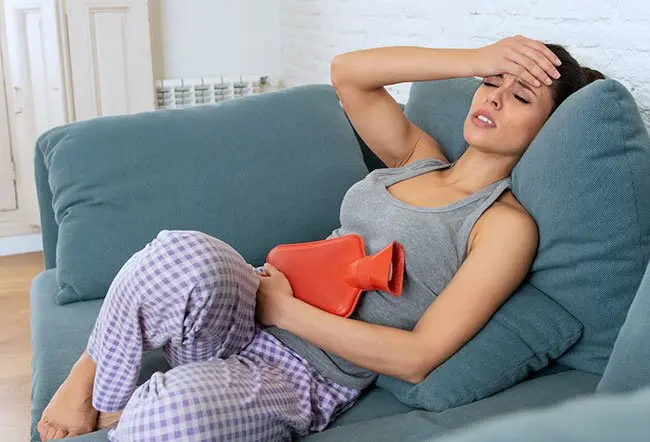
Menstrual pain, also known as dysmenorrhea, is a common issue that affects millions of women worldwide. For some, it’s a mild discomfort; for others, it’s a severe pain that interferes with daily life. Understanding the causes of menstrual cramps and knowing the best medical and home remedies can make a significant difference in managing your monthly cycle effectively.
In this article, we’ll explore both scientifically proven treatments and natural home remedies that can help relieve menstrual pain and promote overall reproductive health.
Understanding Menstrual Pain
What Causes Period Pain?
Menstrual pain occurs when the uterus contracts to shed its lining. These contractions are triggered by hormone-like substances called prostaglandins. High levels of prostaglandins can cause more intense contractions, leading to cramping and discomfort.
Other possible causes include:
- Endometriosis
- Uterine fibroids
- Pelvic inflammatory disease (PID)
- Cervical stenosis
If menstrual pain is unusually severe or worsens over time, it’s best to consult a gynecologist for evaluation.
Medical Remedies for Painful Periods
1. Over-the-Counter Pain Relievers
Nonsteroidal anti-inflammatory drugs (NSAIDs) such as ibuprofen or naproxen sodium are commonly recommended. They help reduce prostaglandin levels and relieve inflammation.
Tip: Take NSAIDs as soon as cramping begins for best results.
2. Hormonal Birth Control
Hormonal contraceptives like birth control pills, patches, or IUDs can regulate or even suppress ovulation, resulting in lighter and less painful periods.
3. Prescription Medications
In cases of severe dysmenorrhea, doctors may prescribe stronger pain medications or hormonal therapies such as GnRH agonists.
4. Treating Underlying Conditions
If menstrual pain is linked to disorders such as endometriosis or fibroids, treatment may involve:
- Hormone therapy
- Laparoscopic surgery
- Uterine fibroid embolization
5. Physical Therapy
Pelvic floor therapy can help strengthen the pelvic muscles and reduce tension that contributes to cramping.
Home Remedies for Managing Menstrual Cramps
1. Apply Heat
Using a heating pad or hot water bottle on your lower abdomen can relax uterine muscles and improve blood flow, easing cramps naturally.
2. Stay Hydrated
Dehydration can worsen bloating and cramps. Drink plenty of water or herbal teas like ginger or chamomile tea, which have anti-inflammatory properties.
3. Exercise Regularly
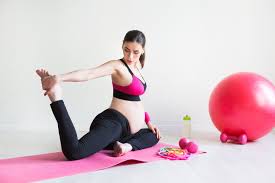
Light exercises such as walking, stretching, or yoga can release endorphins that naturally relieve pain and stress.
4. Try Dietary Changes
Include omega-3 fatty acids, fruits, and leafy greens in your diet. Reduce caffeine, alcohol, and salt intake during your period to ease bloating.
5. Massage Therapy
A gentle abdominal massage with essential oils like lavender or peppermint can help improve circulation and reduce tension.
6. Herbal Remedies
Some herbs have shown promise in relieving menstrual discomfort:
- Ginger: Reduces prostaglandin production
- Turmeric: Acts as a natural anti-inflammatory
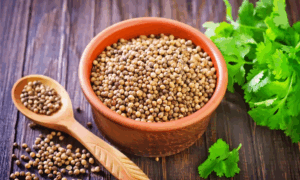
- Fennel seeds: Help relax uterine muscles
7. Practice Relaxation Techniques
Deep breathing, meditation, and warm baths can help relax both the mind and body, reducing overall pain perception.
When to See a Doctor
While mild cramps are normal, severe or chronic pain may indicate a deeper gynecological issue. See a doctor if:
- Pain persists despite medication
- You experience heavy bleeding or clotting
- Cramps start after age 25
- You have other symptoms like nausea or back pain
Early diagnosis of conditions like endometriosis or fibroids can prevent complications and improve quality of life.
Conclusion
Managing painful periods doesn’t have to be a struggle. By combining medical treatments with home remedies, women can find effective relief and take control of their menstrual health. Always consult a healthcare provider if symptoms persist or worsen. Remember, your menstrual cycle is an important indicator of your reproductive health—listening to your body is key.
FAQs
1. What are the best home remedies for menstrual cramps?
Heat therapy, herbal teas, light exercise, and dietary adjustments are effective natural ways to manage cramps.
2. Can stress make period pain worse?
Yes, high stress levels can increase cortisol, which may worsen hormonal imbalance and intensify cramps.
3. Are birth control pills safe for managing menstrual pain?
For most women, yes. However, consult your gynecologist to determine the best and safest option for you.
4. How long should period pain last?
Typically, cramps last 1–3 days. Persistent or worsening pain should be evaluated by a doctor.
5. Can exercise reduce menstrual pain?
Yes, regular physical activity improves circulation and releases endorphins, which act as natural painkillers.







Post Comment