Koriandri (Coriander) – A Complete Informative Guide
1. Introduction
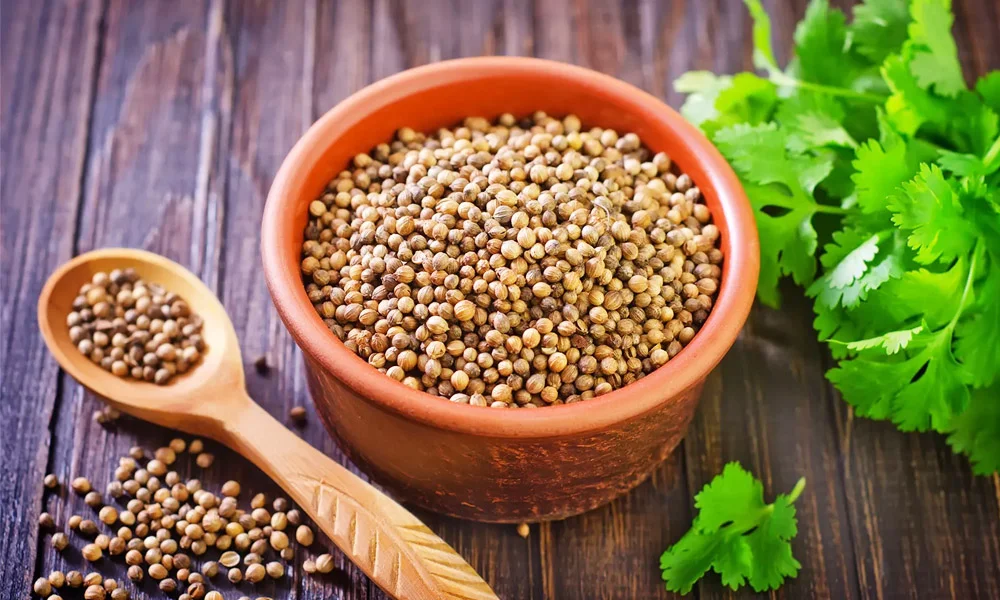
Koriandri, commonly known as coriander, is one of the most popular herbs and spices used across the world. It is not just a kitchen ingredient but also a traditional medicine, a flavor enhancer, and a nutrition booster. The fresh leaves are often called cilantro, while the dried seeds are known as coriander seeds. From ancient civilizations to modern kitchens, koriandri has held a special place due to its refreshing aroma, healing properties, and versatile usage.
It comes from the plant Coriandrum sativum, which belongs to the Apiaceae family. People use every part of this plant including its leaves, seeds, and stems. Whether you add it to curries, salads, soups, teas, or remedies, koriandri offers countless benefits to your mind and body.
2. Botanical Description and Classification
Koriandri is a fast-growing annual herb. That means it completes its lifecycle within one year. It grows best in moderate climates, especially during cool spring and early summer.
Botanical Classification of Koriandri
| Category | Scientific Information |
|---|---|
| Kingdom | Plantae |
| Family | Apiaceae |
| Genus | Coriandrum |
| Species | Coriandrum sativum |
The plant generally grows up to 50 cm in height. It has thin, delicate, feathery leaves, small white or pinkish flowers, and round seeds. The seeds are usually brownish or yellowish in color and have a strong citrusy and nutty aroma.
3. History and Cultural Importance
Koriandri has a history that dates back more than 7000 years. It was found in Egyptian tombs, showing that even the ancient Pharaohs valued it. The Greeks and Romans believed koriandri had healing abilities and used it in perfumes, wines, and medicines. In India, it has been used in Ayurveda for centuries to treat digestion, cough, skin issues, and inflammation.
Across cultures, koriandri is known by different names:
| Region | Local Name |
|---|---|
| India/Pakistan | Dhania |
| Middle East | Kuzbara |
| Latin America | Cilantro |
| Europe | Coriander |
| Arabic | Koriandri |
Today, koriandri is a common ingredient in cuisines of India, Middle East, Mexico, China, and Mediterranean countries.
4. Nutritional and Chemical Composition
Koriandri is rich in essential vitamins, minerals, antioxidants, and natural oils. It contains Vitamin A, Vitamin C, Vitamin K, potassium, manganese, fiber, and folate. The seeds contain fatty acids like linoleic acid and oleic acid, which support heart health.
Nutritional Value of Fresh Koriandri Leaves (per 100g)
| Nutrient | Value |
|---|---|
| Calories | 23 kcal |
| Protein | 2.1 g |
| Carbohydrates | 3.7 g |
| Fiber | 2.8 g |
| Vitamin C | 27 mg |
| Vitamin K | 310 µg |
| Calcium | 67 mg |
| Iron | 1.8 mg |
Koriandri is also rich in antioxidants such as quercetin, carotenoids, and flavonoids that help protect the body from oxidative damage.
5. Major Health Benefits of Koriandri
Koriandri is not just a spice; it is a natural medicine. It has been used in Ayurveda, Unani, and herbal medicine systems for centuries.
1. Good for Digestion
Koriandri seeds and leaves improve digestion by stimulating enzymes, reducing bloating, and relieving acidity.
2. Controls Blood Sugar
Drinking coriander seed water may help balance blood sugar levels, making it beneficial for diabetic individuals.
3. Promotes Heart Health
It may help reduce cholesterol and blood pressure due to its natural antioxidants and fatty acids.
4. Boosts Immunity
Its Vitamin C, Vitamin A, and antioxidants strengthen the immune system and protect against infections.
5. Good for Brain Health
Koriandri contains neuroprotective compounds that may help reduce stress, anxiety, and improve memory.
6. Fights Infections
Koriandri has antimicrobial and antibacterial properties that help prevent infections and promote wound healing.
7. Supports Skin Health
It helps in reducing acne, rashes, pigmentation, and improves overall skin brightness.
6. Koriandri in Traditional Medicine
In Ayurveda, koriandri is considered “cooling,” meaning it helps reduce body heat, stomach acidity, and inflammation. People often use it in the form of seeds, leaves, tea, and oil.
Some common traditional uses of koriandri include:
| Purpose | Traditional Use |
|---|---|
| Indigestion | Coriander water or tea |
| Skin rash | Coriander paste |
| Cough | Coriander seed tea with honey |
| Sleep aid | Coriander and fennel seed tea |
| Weight loss | Coriander water on empty stomach |
7. Culinary Uses of Koriandri
Koriandri is used in a large variety of dishes around the world. The fresh leaves are used to garnish and add freshness to dishes, while the seeds are used in spice blends and masalas.
Popular Uses of Koriandri:
- Flavoring curries, soups, and sauces
- Making chutneys, dips, salsa, and dressings
- Seasoning in baking, pickles, and marinades
- Garnishing biryani, salads, and roasted dishes
- Coriander seed powder for spice mixes like garam masala
8. Cultivation and Growing Conditions
Koriandri is easy to grow in home gardens and farms. It needs moderate sunlight, well-drained soil, and regular watering.
Key Growing Requirements
| Condition | Requirement |
|---|---|
| Soil Type | Fertile, well-drained |
| Sunlight | 4–6 hours of sunlight |
| Watering | Light, frequent watering |
| Harvest Time | 45–70 days |
It can be grown from seeds directly in pots, planters, or fields.
9. Precautions and Side Effects
Although koriandri is safe for most people, overuse may cause some minor issues.
Possible side effects include:
Mild allergies, low blood pressure, dizziness, or stomach irritation in sensitive individuals.
Pregnant women and diabetic patients should consult a doctor before using koriandri as a supplement or in medicinal quantity.
10. Future Research and Industrial Applications
Researchers are exploring koriandri for its potential use in natural medicine, herbal cosmetics, essential oils, organic farming, dietary supplements, and natural preservatives. Its antimicrobial and antioxidant properties make it a promising ingredient in food and pharmaceutical industries.
11. Conclusion
Koriandri is more than just a fragrant herb found in kitchens. It is a powerful natural remedy, a nutritious food ingredient, and a health-boosting herb. From ancient cultures to modern science, koriandri has proven its value in enhancing flavor, promoting health, and improving overall well-being. Whether you add it to food, use it as herbal tea, or grow it in your garden, koriandri is a gift of nature that should be part of everyday life.
Other Articles
Full, Detailed, Human-Written Article on Zuschneidfelle
DevToon Software – The Complete Informative Guide (2025 Edition)













Post Comment