The Role of Courts and Judges in the Legal System
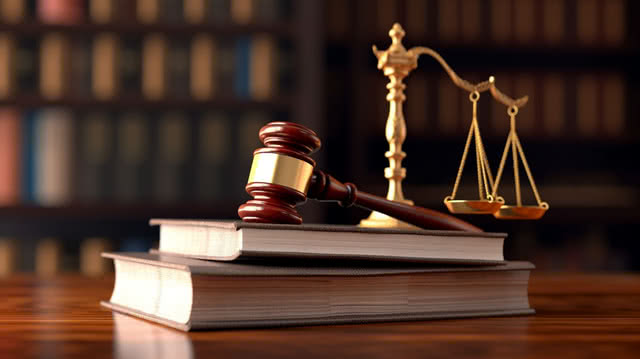
The legal system is the foundation of any organized society. It ensures justice, protects rights, and maintains social order. At the heart of this system are courts and judges, whose responsibility is to interpret laws, resolve disputes, and uphold fairness. Without courts and judges, laws would exist only on paper and justice would be impossible to achieve in practice.
Understanding the Legal System
What Is the Legal System?
The legal system is a structured set of laws, institutions, and procedures designed to regulate behavior and resolve conflicts. It defines what is right and wrong, sets penalties for violations, and provides mechanisms for justice.
Importance of Courts and Judges
Courts and judges are the backbone of the legal system. They ensure that laws are applied correctly and equally, protecting individuals from injustice and abuse of power.
The Role of Courts in the Legal System
Interpreting and Applying the Law
Courts interpret laws passed by legislatures and apply them to real-life cases. Since laws cannot cover every possible situation, courts clarify their meaning and scope through judgments.
Resolving Disputes
One of the main functions of courts is to resolve disputes between individuals, organizations, or the state. These disputes may involve criminal cases, civil matters, or constitutional issues.
Protecting Fundamental Rights
Courts play a critical role in safeguarding fundamental rights and freedoms. If a person’s rights are violated, courts provide a platform to seek justice and remedies.
Maintaining Law and Order
By enforcing laws and issuing judgments, courts help maintain law and order in society. Their decisions discourage unlawful behavior and promote respect for the law.
Types of Courts and Their Functions
Lower Courts
Lower courts handle minor cases, such as small civil disputes and less serious criminal offenses. They are often the first point of contact for individuals seeking legal justice.
Higher Courts
Higher courts, such as appellate or supreme courts, review decisions made by lower courts. They ensure that laws are interpreted consistently and correctly.
Specialized Courts
Specialized courts deal with specific areas of law, such as family law, labor disputes, or tax matters. These courts allow cases to be handled by experts in particular legal fields.
The Role of Judges in the Legal System
Interpreting the Law
Judges analyze laws and legal principles to decide cases fairly. They interpret legislation, consider precedents, and apply legal reasoning to reach judgments.
Ensuring Fair Trials
Judges are responsible for ensuring that trials are conducted fairly. They make sure that both parties are heard, evidence is examined properly, and legal procedures are followed.
Delivering Justice
The ultimate duty of a judge is to deliver justice. Judges must remain impartial, unbiased, and independent while making decisions based solely on facts and law.
Setting Legal Precedents
Judges’ decisions often become legal precedents, guiding future cases. These precedents help create consistency and predictability in the legal system.
Judicial Independence and Accountability
Importance of Judicial Independence
Judicial independence ensures that judges can make decisions without pressure from the government, powerful individuals, or public opinion. This independence is essential for fair and unbiased justice.
Accountability of Judges
While judges must be independent, they are also accountable for their actions. Ethical standards, codes of conduct, and legal oversight mechanisms help maintain public trust in the judiciary.
Challenges Faced by Courts and Judges
Case Backlogs and Delays
Many courts face heavy workloads, leading to delays in justice. Slow legal processes can reduce public confidence in the system.
Limited Resources
Lack of funding, staff, and infrastructure can affect the efficiency of courts and judges, making it harder to deliver timely justice.
Balancing Law and Social Change
Judges often face the challenge of balancing traditional laws with changing social values. This requires careful interpretation and thoughtful decision-making.
Conclusion
Courts and judges play a vital role in the legal system by interpreting laws, resolving disputes, protecting rights, and ensuring justice. They act as guardians of fairness and equality, maintaining balance within society. A strong, independent, and efficient judiciary is essential for the rule of law and public trust. Without courts and judges, justice would lose its meaning, and society would struggle to function in an orderly and fair manner.













Post Comment