Smart Ways to Make Dental Benefits Work for You
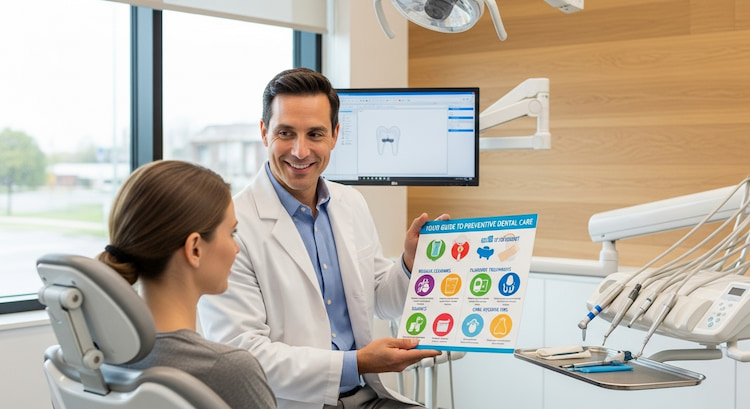
Understanding how to maximize your dental benefits is the key to maintaining good oral health while saving on dental expenses year-round. Dental insurance is more than just a safety net for emergencies; it’s a valuable resource for preventative care and overall well-being if used wisely.
When you approach dental coverage with a plan, you ensure every dollar stretches further, from routine appointments to complex dental treatments. Additionally, being proactive about oral health leads to fewer surprises, both medically and financially, as you journey through a year’s worth of dental needs.
If you are searching for the best dental insurance for USPS employees, knowing how to make the most of your plan is just as important as choosing the right policy. A savvy approach translates into healthier teeth and significant savings over time.
From selecting the right providers to planning big procedures, a few smart strategies can help you avoid common pitfalls and unexpected costs. Many people overlook the finer details of their dental coverage, only discovering gaps or limitations when they need care the most.
Learning what is covered and how to access those benefits can reduce surprises at the dentist and promote a healthier smile. Simple adjustments in the way you manage your coverage can mean the difference between a manageable dental bill and a financial headache.
Understand Your Coverage
Start by reviewing the details of your dental insurance policy. Most policies include booklets or digital summaries known as an Explanation of Benefits (EOB), which break down your entitlements. Insurance documents usually outline which services are covered, explain annual maximums you might face before you can take advantage of certain benefits.
Understanding these terms and key elements helps you plan treatments, so you use your benefits more effectively and avoid unexpected out-of-pocket costs throughout the policy year.
Knowing your policy’s fine print can also help you avoid denied claims, which are a common frustration for many patients. Each plan is different. Some may cover only basic services, like routine exams, cleanings, and X-rays, while others offer more comprehensive care, including restorative treatments such as crowns and fillings.
Take time to note the percentage of procedures, such as crowns, cleanings, or X-rays, that are covered. Make a checklist or keep notes in a file so you’re prepared when treatment recommendations arise.
Choose In-Network Providers
Picking a dentist within your insurance provider’s network usually results in lower out-of-pocket expenses. In-network dentists have agreements with your insurer that set standard rates for certain procedures, which means you pay less than you would at an out-of-network office.
These negotiated rates help eliminate surprise billing and keep annual dental costs predictable and affordable, which encourages you to use your benefits more frequently.
Find a list of participating providers on your insurance company’s website or by calling their customer service. Many websites feature search tools that filter by location, specialty, and even patient reviews, letting you make an informed decision.
If your current dentist is out-of-network, ask about switching or consider whether the savings justify a change. Some insurers also provide tools to compare costs between providers, helping you choose one that fits both your budget and your needs. Switching to an in-network provider often yields immediate savings on both routine care and more extensive procedures.
Schedule Regular Preventive Care
Most dental insurance plans cover preventive care, such as professional cleanings, X-rays, and check-ups, at little or no out-of-pocket cost. Prioritizing preventive visits can help spot issues like cavities or gum disease before they become painful and expensive problems.
Investing in routine appointments (typically twice a year) can help you detect and treat potential oral health issues before they progress and require more involved, costly procedures. Prioritizing these visits is one of the simplest ways to leverage your dental benefits and maintain a healthy smile for life.
Preventive care might also stave off the need for restorative procedures that typically come with higher out-of-pocket costs. Regular dental cleanings help remove plaque and tartar buildup, addressing minor issues before they become major ones.
Scheduling routine check-ups encourages consistent oral hygiene habits, which are linked to better oral and overall health, according to WebMD’s dental health resources. Often, insurers will send reminders, but it’s always a good idea to schedule your next appointment as you leave the dentist’s office to ensure you don’t miss out on these valuable benefits.
Plan for Major Procedures
If you expect to need significant dental work, such as crowns, root canals, or braces, it makes sense to plan carefully. Larger treatments may be subject to annual plan limits, called annual maximums, which are the most the insurer will pay in a year, usually ranging from $1,000 to $2,000.
By strategically scheduling treatments across multiple benefit years, you may be able to reduce your out-of-pocket costs. For example, scheduling part of your treatment in December and the rest in January can help you access two years of annual maximums instead of just one, stretching your benefits further and spreading out larger expenses.
Work with your dentist to build a phased treatment plan. Some offices will help you schedule appointments so that each phase of care aligns with your insurance year, minimizing interruptions to your benefits and managing costs over time.
Discussing your insurance benefits during consultation can also help your provider recommend the most cost-effective and timely treatment plan for your unique needs.
Utilize Flexible Spending Accounts (FSAs)
Flexible Spending Accounts (FSAs) allow you to set aside tax-free funds for qualified medical and dental expenses. By contributing through payroll deductions, you lower your taxable income while having cash on hand for dental treatments that insurance might not cover.
If your employer offers a Health Savings Account (HSA), these funds may also be used for dental expenses and can provide additional financial flexibility. Exploring these types of accounts can help you manage higher out-of-pocket costs effectively, especially if you anticipate non-covered treatments like orthodontics, cosmetic procedures, or additional cleanings. In some cases, FSAs and HSAs cover over-the-counter dental products and supplies, further maximizing your savings.
Stay Informed About Plan Changes
Dental insurance plans frequently change at the start of a new policy year. Premiums, covered treatments, annual maximums, and network providers can all change, potentially affecting your out-of-pocket costs or even access to your regular dentist.
Carefully review annual updates and pay attention to employer open enrollment communications. Being proactive lets you adjust how you use your plan to maintain uninterrupted care and avoid costly surprises during your next appointment.
The American Dental Association provides helpful insights into tracking changes in dental benefits and coverage trends, ensuring you remain an informed consumer year after year.
Communicate with Your Dentist
Transparency between you and your dental care provider is crucial. Share your insurance details before appointments and discuss coverage options for recommended treatments.
Keep insurance cards up to date and clarify which services—such as cleanings, X-rays, or fillings are covered at each visit. In many cases, dentists can propose cost-effective alternatives for expensive procedures or suggest treatments that are more likely to be covered by your plan and still achieve good results.
Building a relationship focused on collaborative care keeps you informed and helps you avoid unnecessary expenses, ensuring you never feel in the dark when it comes time to pay your bill.
Advocate for Comprehensive Coverage
Dentists, employers, and policymakers work together to shape dental benefit offerings. If you find your insurance plan is lacking in coverage, consider voicing your concerns to your employer during annual benefit reviews or to your insurer directly.
In some cases, employee input may influence future plan options, especially in larger organizations or federal benefits programs.
Well-informed employees who advocate for increased benefits help pave the way for better coverage, improving long-term health outcomes for all. Participating in surveys, open enrollment meetings, or coverage focus groups can give you the platform needed to share your voice and experience.
Final Thoughts
By familiarizing yourself with your coverage, making smart choices when planning and scheduling treatments, and maintaining open lines of communication with your providers and insurer, you can optimize your dental benefits and support a lifetime of better oral health.
Prudent and informed use of your dental plan turns coverage into a powerful asset, preventing unnecessary expenses and ensuring access to the care you need when you need it.













Post Comment