Early Signs of Gynecological Disorders You Shouldn’t Ignore
Introduction
Women’s reproductive health is an essential part of overall well-being, yet many early warning signs of gynecological disorders often go unnoticed or are brushed aside as “normal.” Ignoring these symptoms can lead to serious health complications such as infertility, chronic pain, or even cancer.
Being aware of the early signs of gynecological disorders allows women to seek timely medical advice, ensuring early diagnosis and effective treatment. In this detailed guide, we’ll explore the most common warning signs, their possible causes, and when to see a gynecologist for professional help.
Understanding Gynecological Disorders
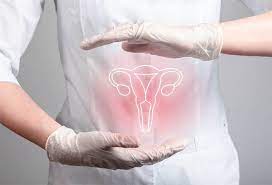
Gynecological disorders refer to conditions affecting the female reproductive system — including the uterus, ovaries, fallopian tubes, cervix, and vagina. These issues can range from mild infections to chronic diseases like endometriosis, PCOS, or cervical cancer.
Common causes include hormonal imbalances, genetics, poor hygiene, stress, and lifestyle factors such as unhealthy diets or lack of exercise. Recognizing early signs helps prevent these conditions from progressing and affecting reproductive health.
1. Irregular Menstrual Cycles
A healthy menstrual cycle typically ranges between 21 and 35 days. Any significant deviation from this pattern can signal an underlying issue.
Possible Causes:
- Polycystic Ovary Syndrome (PCOS)
- Thyroid disorders
- Stress or extreme weight changes
- Hormonal imbalance
When to See a Doctor:
If your periods are consistently irregular, absent for several months, or occur too frequently, it’s time to consult a gynecologist. Persistent irregularity may indicate hormonal or metabolic dysfunction.
2. Unusual Vaginal Discharge
While some vaginal discharge is normal, changes in color, odor, or consistency can be signs of infection or disease.
Warning Signs:
- Thick, white discharge with itching (possible yeast infection)
- Yellow-green discharge with foul odor (may indicate bacterial vaginosis or STI)
- Brown discharge between periods (possible hormonal issues or cervical changes)
When to See a Doctor:
If you experience persistent itching, burning, or an unpleasant odor, don’t self-medicate — seek medical evaluation and lab testing.
3. Pelvic or Lower Abdominal Pain
Occasional mild cramps are normal, but chronic or severe pelvic pain may be a red flag.
Possible Causes:
- Endometriosis – when uterine tissue grows outside the uterus
- Pelvic Inflammatory Disease (PID) – infection of the reproductive organs
- Fibroids or Ovarian Cysts
- Ectopic pregnancy
When to See a Doctor:
If pelvic pain is constant, severe, or occurs during or after intercourse, medical assessment is necessary to rule out serious conditions.
4. Abnormal Uterine Bleeding
Bleeding outside of your regular menstrual cycle should never be ignored.
Warning Signs:
- Very heavy bleeding or clotting
- Spotting between periods or after sex
- Bleeding after menopause
Possible Causes:
- Fibroids or polyps
- Endometrial hyperplasia
- Hormonal imbalances
- Early signs of uterine or cervical cancer
When to See a Doctor:
If you experience heavy bleeding that requires changing pads every hour or spotting after menopause, consult your gynecologist immediately.
5. Pain During Intercourse (Dyspareunia)
Pain during or after sexual intercourse can have both physical and psychological causes.
Possible Causes:
- Endometriosis or pelvic adhesions
- Vaginal dryness due to low estrogen
- Infections or inflammation (vaginitis, cervicitis)
- Psychological stress or anxiety
When to See a Doctor:
If discomfort persists or worsens, it’s crucial to identify the cause. Painful intercourse is not normal and may indicate a treatable condition.
6. Excessive Hair Growth or Acne
While mild acne and body hair are common, sudden or excessive changes may signal hormonal imbalance.
Possible Causes:
- Polycystic Ovary Syndrome (PCOS) — a major cause of androgen excess
- Adrenal gland disorders
- Medication side effects
When to See a Doctor:
If you notice facial hair growth, hair loss on the scalp, or severe acne, a hormonal evaluation can help determine if PCOS or another endocrine disorder is present.
7. Bloating or Abdominal Swelling
Persistent bloating, especially if accompanied by pain or changes in bowel habits, can sometimes indicate serious reproductive issues.
Possible Causes:
- Ovarian cysts or tumors
- Endometriosis
- Ovarian cancer (rare but serious)
When to See a Doctor:
If bloating persists for more than two weeks or comes with unexplained weight loss or appetite changes, seek immediate medical attention.
8. Burning Sensation or Painful Urination
Painful urination may not always be a urinary tract infection (UTI); it can also point to gynecological issues.
Possible Causes:
- Sexually transmitted infections (STIs)
- Vaginal or vulvar inflammation
- Bladder or pelvic infections
When to See a Doctor:
If accompanied by pelvic discomfort, abnormal discharge, or fever, consult your gynecologist promptly.
9. Unexplained Fatigue and Weight Changes
Sudden fatigue, weight gain, or weight loss can be linked to hormonal disorders affecting the reproductive system.
Possible Causes:
- Thyroid dysfunction
- PCOS or insulin resistance
- Adrenal fatigue
When to See a Doctor:
If tiredness persists even after rest or is accompanied by menstrual irregularities, seek hormonal testing.
10. Infertility or Difficulty Conceiving
Struggling to conceive after 6–12 months of trying may indicate an underlying reproductive disorder.
Possible Causes:
- Blocked fallopian tubes
- Ovulation problems (PCOS, thyroid issues)
- Endometriosis
- Low egg quality due to age or hormonal imbalance
When to See a Doctor:
Early fertility evaluation can help diagnose and treat issues before they become more complex.
Table: Summary of Early Warning Signs and Possible Causes
| Symptom | Possible Cause | When to Act |
|---|---|---|
| Irregular periods | PCOS, thyroid issues | After 2–3 missed or unpredictable cycles |
| Abnormal discharge | Infection, hormonal change | If persistent or foul-smelling |
| Pelvic pain | Endometriosis, cysts, PID | If chronic or severe |
| Heavy bleeding | Fibroids, endometrial issues | If prolonged or post-menopausal |
| Pain during sex | Endometriosis, dryness, infection | If recurring or intense |
| Hair growth/acne | PCOS, hormone imbalance | If sudden or excessive |
| Bloating | Ovarian issues | If lasting 2+ weeks |
| Painful urination | STI, infection | If recurring with fever |
| Fatigue/weight change | Hormonal disorders | If persistent |
| Infertility | Ovulation or tube problems | After 6–12 months of trying |
When to See a Gynecologist
You should schedule an appointment if you notice:
- Any unusual bleeding or discharge
- Persistent pelvic or abdominal pain
- Changes in menstrual cycle length or flow
- Painful intercourse or urination
- Difficulty conceiving
Early diagnosis can make a major difference in treatment outcomes, preventing complications and preserving fertility.
Preventive Tips for Gynecological Health
- Maintain a balanced diet rich in vitamins and minerals.
- Exercise regularly to balance hormones.
- Avoid smoking and excessive alcohol consumption.
- Practice safe sex to prevent infections.
- Schedule annual gynecological checkups, including Pap smears and pelvic exams.
- Manage stress through meditation, yoga, or hobbies.
Conclusion
Your body often gives early signals when something isn’t right — listening to these signs is crucial for maintaining reproductive health. Ignoring symptoms like irregular bleeding, chronic pelvic pain, or unusual discharge can lead to severe complications over time.
By paying attention, seeking timely medical advice, and scheduling regular checkups, women can protect their reproductive systems, enhance fertility, and lead healthier lives. Remember, early detection is always the key to prevention and recovery.
Frequently Asked Questions (FAQs)
1. How often should I visit a gynecologist?
It’s recommended to have an annual visit, but if you experience unusual symptoms, book an appointment sooner.
2. Can stress cause irregular periods?
Yes. Stress affects hormone production, which can delay or skip menstrual cycles.
3. What tests can detect gynecological disorders early?
Pap smears, pelvic exams, ultrasounds, and hormone tests help detect conditions like PCOS, fibroids, and infections.
4. Is it normal to have pain during intercourse?
Occasional discomfort may happen, but persistent pain is not normal and should be evaluated by a doctor.
5. Can lifestyle changes prevent gynecological disorders?
Absolutely. A healthy diet, regular exercise, stress management, and safe sexual practices can significantly reduce the risk of reproductive health problems.













Post Comment