How Long Does CPR Certification Last?
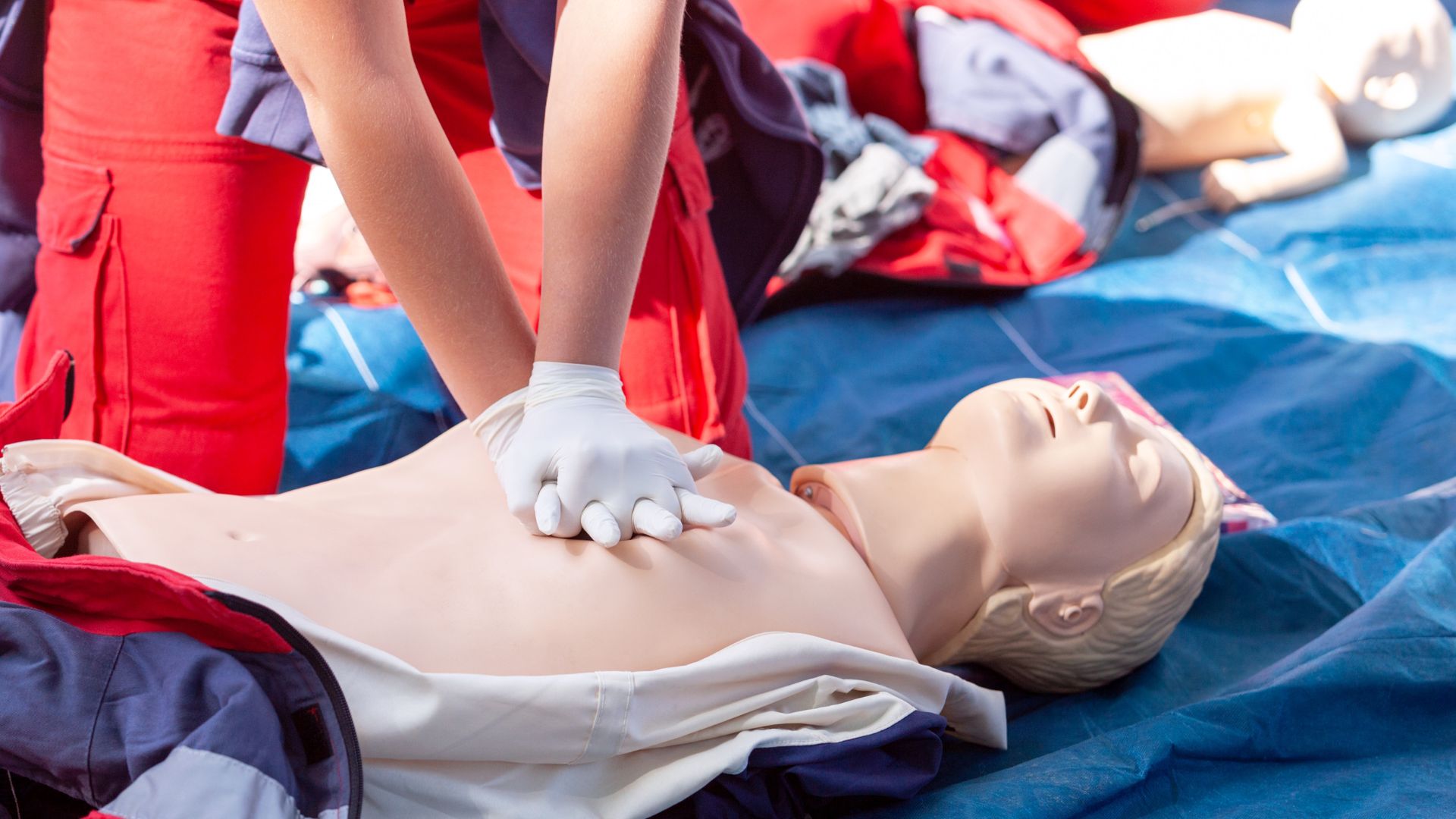
CPR certification involves completing a training course that teaches the cardiopulmonary resuscitation emergency procedure. The courses include training in chest compressions, and you must pass a written and practical skills test to be certified. Here is what to know about the validity and renewal of CPR certifications:
Compliance Maintenance
Knowing the validity of your CPR certification helps maintain compliance with workplace regulations and legal requirements in the following ways:
- Verifies adherence to legal standards
- Reduces liability and risk
- Supports workplace safety and preparedness
- Prevents operational disruptions
A valid certificate promotes ongoing compliance with regulatory requirements, minimizing legal liability and avoiding penalties. For some occupations, allowing your certificate to expire means that you are no longer meeting the terms of your employment. This may lead to suspension, termination, or ineligibility for shifts. Tracking expiration allows you to schedule renewal courses on time to protect your job status and legal standing.
Recertification Options
You need to know the available recertification options to maintain continuity in your professional qualifications. Certain professions in healthcare, education, and fitness require a current CPR certification for employment. If your current certification expires, you are legally ineligible for work until you renew it.
In-person renewal courses are shorter than the initial certifications and focus on refreshing knowledge and skills. These courses cover any updates made to guidelines over time. Online courses with in-person skills sessions offer certification at your convenience. You can complete the instructional portion online and schedule an in-person skills validation session to complete the process. Renewal options for healthcare professionals include a combination of different courses to renew multiple certifications in a single sitting.
CPR Course Selection
Whether you need a full initial CPR course or a renewal course depends on the status of your current certification. Valid certifications allow you to enroll in a renewal course, while expired certifications require completing the full initial training. For certifications that have expired for an extended period, you are no longer eligible for a renewal course. This means you must retake the full initial certification course. Certification options to study include basic life support, advanced cardiovascular life support, pediatric advanced life support, and Heartsaver courses. These are offered in-person or online.
Skill Retention
You need regular practice between the certification validity periods to promote readiness and effectiveness during emergencies. Regular practice helps combat skill loss by reinforcing muscle memory. Failing to practice can lead to hesitation or anxiety during a real emergency. This delays the start of life-saving care. While major guideline changes occur infrequently, minor adjustments to best practices can happen more often. Regular engagement keeps you informed of the most current, evidence-based techniques. To maintain proficiency between certifications, opt for short refresher sessions or online resources and videos. Prioritizing ongoing practice verifies that you are able to retain key CPR skills.
Certification Proof Maintenance
Keeping track of your CPR certification allows you to easily verify and share your credentials. Training institutions issue American Heart Association (AHA) eCards, each with a unique code that can be checked through the national online system. This verification confirms your certification’s issue and expiration dates, as well as the training center that issued it. Digital records make it simple to provide proof of valid certification to employers or licensing boards.
Learn More About CPR Certification
Employers and regulatory bodies verify the current status of your certification during audits or the hiring process. When enrolling in classes, you can opt for group training, on-site workplace training, or family and friends packages. Courses cover everything from adult and infant CPR skills to using AED devices. Contact a reputable training provider to learn more about their offerings.











Post Comment