How Smoking and Alcohol Affect Your Cardiovascular System
Introduction
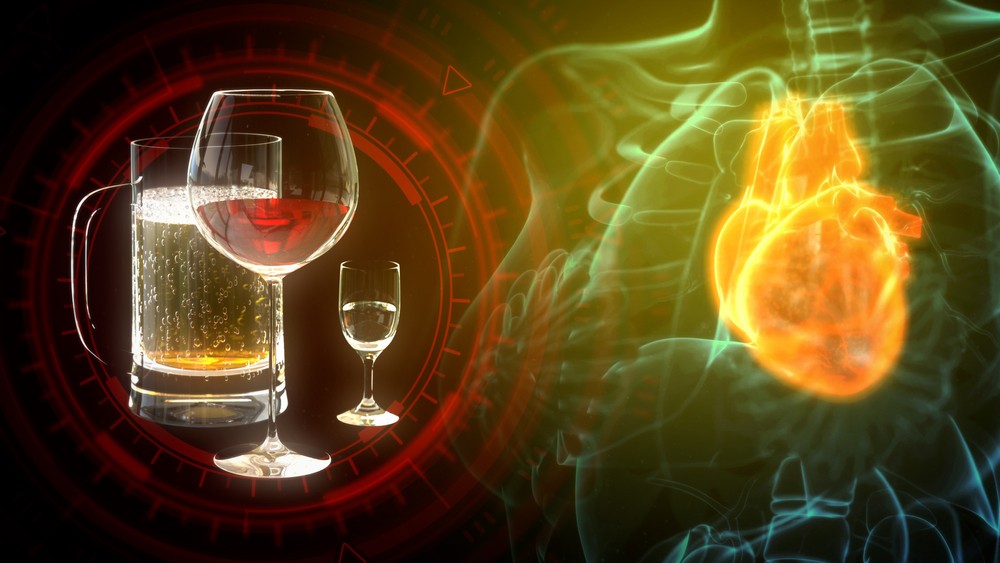
Your cardiovascular system — consisting of the heart and blood vessels — plays a crucial role in maintaining overall health. It delivers oxygen and nutrients throughout the body while removing waste products. However, lifestyle habits such as smoking and excessive alcohol consumption can severely damage this vital system.
While moderate alcohol intake may offer limited benefits, excessive drinking and smoking together significantly increase the risk of heart disease, stroke, and other cardiovascular problems. Understanding how these substances affect your heart and blood vessels is essential for making informed choices and protecting long-term health.
The Impact of Smoking on the Cardiovascular System
1. How Smoking Damages the Heart and Blood Vessels
Cigarette smoke contains over 7,000 harmful chemicals, including nicotine and carbon monoxide, both of which harm the heart and circulatory system.
- Nicotine increases heart rate and blood pressure, forcing the heart to work harder.
- Carbon monoxide binds with hemoglobin in red blood cells, reducing the oxygen supply to the heart.
- Other toxic chemicals damage the lining of arteries, promoting plaque buildup and narrowing of the blood vessels — a condition known as atherosclerosis.
Over time, this damage limits blood flow, increasing the risk of coronary artery disease (CAD), heart attack, and stroke.
2. Smoking and Blood Clot Formation
Smoking makes your blood thicker and more likely to clot. Blood clots can block arteries, cutting off oxygen to vital organs. This is one of the primary reasons why smokers have a two to four times higher risk of heart attack than non-smokers.
3. Secondhand Smoke and Cardiovascular Health
Even if you don’t smoke directly, exposure to secondhand smoke can harm your cardiovascular system. Non-smokers regularly exposed to secondhand smoke face a 25–30% increased risk of heart disease.
This risk is especially dangerous for children, pregnant women, and individuals with pre-existing heart conditions.
The Impact of Alcohol on the Cardiovascular System
1. Short-Term Effects of Alcohol on the Heart
In small amounts, alcohol can cause your blood vessels to temporarily expand, leading to a feeling of warmth. However, excessive drinking disrupts normal heart rhythms and can cause high blood pressure, irregular heartbeat (arrhythmia), and dehydration, all of which strain the heart.
2. Long-Term Effects of Heavy Drinking
Chronic heavy drinking leads to more severe heart-related conditions, including:
- Cardiomyopathy: weakening of the heart muscle, reducing its ability to pump blood effectively.
- Hypertension: consistent high blood pressure that increases the risk of heart attack and stroke.
- Atrial Fibrillation (AFib): irregular heart rhythms that can lead to blood clots and stroke.
- Stroke and Heart Failure: excessive alcohol consumption increases the likelihood of both ischemic and hemorrhagic strokes.
3. The Myth of “Healthy Drinking”
While some studies suggest that moderate alcohol consumption (especially red wine) might improve “good” HDL cholesterol, these benefits are minimal and can be achieved through healthier alternatives such as diet and exercise.
For many individuals, the potential risks outweigh the benefits, especially when genetic or medical conditions are involved.
The Combined Effect of Smoking and Alcohol
When smoking and alcohol use occur together, their harmful effects multiply.
- Alcohol enhances nicotine absorption, making smoking more addictive.
- Both increase oxidative stress and inflammation, accelerating damage to blood vessels.
- The combination raises blood pressure and heart rate, dramatically increasing the risk of heart attack, stroke, and peripheral artery disease (PAD).
Studies show that people who both smoke and drink heavily are up to four times more likely to develop cardiovascular diseases than those who avoid both habits.
How Quitting Smoking and Limiting Alcohol Can Improve Heart Health
1. Immediate Benefits After Quitting Smoking
- Within 20 minutes, heart rate and blood pressure begin to drop.
- After 24 hours, the risk of heart attack decreases.
- Within one year, the risk of coronary artery disease is cut in half.
2. Reducing Alcohol Intake
Limiting alcohol to moderate levels can significantly reduce cardiovascular strain.
- For women: 1 drink per day
- For men: Up to 2 drinks per day
Opting for alcohol-free days each week helps lower blood pressure, regulate heartbeat, and support liver function.
3. Adopting a Heart-Healthy Lifestyle
Combine smoking cessation and reduced alcohol intake with:
- A balanced diet rich in fruits, vegetables, and whole grains
- Regular physical activity (at least 150 minutes of moderate exercise per week)
- Stress management techniques like meditation or deep breathing
- Routine heart screenings for blood pressure, cholesterol, and glucose levels
These steps together can dramatically reduce the risk of cardiovascular disease and enhance overall well-being.
Public Awareness and Support Programs
Many organizations and health platforms, such as VoicesOfConservation.org, are committed to spreading awareness about cardiovascular health and lifestyle-related risks.
Support groups, smoking cessation programs, and counseling services are available to help individuals make sustainable changes for a healthier heart and life.
Conclusion
Smoking and excessive alcohol use are two of the most preventable causes of cardiovascular disease. Both substances damage the heart, constrict blood vessels, and increase the likelihood of life-threatening conditions like stroke and heart attack.
The good news is that the heart has a remarkable ability to heal once these habits are stopped. By quitting smoking, moderating alcohol intake, and adopting a heart-healthy lifestyle, individuals can reverse much of the damage and significantly lower their cardiovascular risk.
Your heart deserves care — and every healthy choice you make today helps ensure a stronger tomorrow.
FAQs
1. Can light or social drinking harm my heart?
Even light drinking can raise blood pressure temporarily. While occasional drinking may not cause long-term harm, regular heavy drinking increases the risk of heart disease.
2. How soon after quitting smoking will my heart health improve?
Benefits begin within minutes. Within one year of quitting, your risk of coronary artery disease drops by 50%.
3. Why does smoking cause heart attacks?
Smoking narrows arteries, raises blood pressure, and promotes clot formation — all of which can lead to heart attacks.
4. Is red wine really good for the heart?
Some studies link red wine to improved HDL cholesterol, but the effects are small and not essential. A healthy diet and exercise provide safer, more effective heart benefits.
5. Can quitting both smoking and alcohol reverse heart damage?
Yes. While severe damage may not be fully reversible, quitting smoking and limiting alcohol can significantly improve circulation, blood pressure, and overall heart health.













Post Comment