Innovative Techniques in Hair Restoration
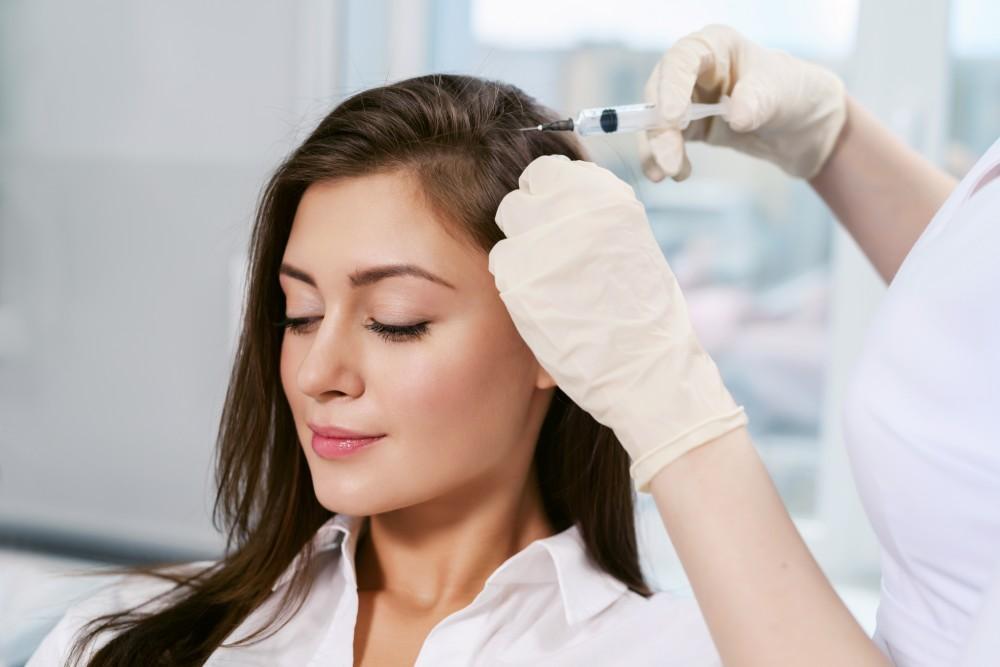
Hair loss manifests in various forms, but advancements in medical technology provide patients with multiple treatment options. Understanding the underlying mechanisms of alopecia is the first step toward selecting an appropriate restoration method. Here is more information on hair loss, what causes it, and how hair restoration can help:
What Is Hair Loss?
Clinically referred to as alopecia, hair loss involves a disruption in the body’s natural hair growth cycle. This condition can affect the scalp or the entire body, with its severity ranging from mild thinning to total baldness. The interruption of the cycle prevents new hair from forming, or it causes existing strands to shed prematurely.
The condition is typically categorized by its pattern and cause, such as androgenetic alopecia or alopecia areata. Patients who observe significant shedding may benefit from investigating hair restoration options to mitigate these effects. Early diagnosis helps identify the specific type of loss, and it facilitates a more targeted approach to treatment.
What Causes It?
Genetics is a primary determinant of androgenetic alopecia, commonly known as male or female pattern baldness. Individuals with a family history of balding are more susceptible, as hereditary factors influence the sensitivity of hair follicles to androgens. This genetic predisposition leads to a gradual shrinking of the follicle, and the hair ceases to grow.
Hormonal fluctuations impact hair density, particularly during events such as pregnancy, menopause, or thyroid dysfunction. These physiological changes can trigger telogen effluvium, a temporary condition characterized by excessive shedding across the scalp. Environmental factors and lifestyle choices also contribute to hair follicle health. Identifying external triggers is beneficial, for it allows physicians to recommend comprehensive treatment plans.
What Is Hair Restoration?
Hair restoration is a medical field dedicated to re-establishing hair growth in areas affected by thinning or balding. This discipline encompasses a variety of approaches, including scalp treatments, medical therapies, and surgical solutions. The objective is to either revitalize dormant follicles or transplant healthy grafts to areas with low density. A thorough medical evaluation determines candidacy for these procedures, as each patient presents a unique physiological profile.
What Does It Involve?
Surgical hair restoration typically utilizes follicular unit transplantation (FUT) or follicular unit excision (FUE). FUT involves removing a strip of tissue from the posterior scalp, while FUE entails the individual extraction of follicular units. Surgeons place these grafts into tiny incisions in the recipient area, aligning them to mimic natural growth patterns.
Non-surgical interventions may include microneedling or low-level laser light therapy (LLLT). Microneedling involves using tiny needles to create micro-injuries on the scalp, and it stimulates collagen production and improves blood flow to support hair growth. LLLT uses light energy to penetrate the scalp, stimulating cellular activity in hair follicles and enhancing hair strength and thickness.
Post-procedural care is necessary to protect the newly transplanted grafts or treated areas. Patients may receive specific instructions regarding washing, sun exposure, and physical activity to facilitate healing. Adherence to these guidelines supports the long-term success of the restoration.
What Are the Benefits?
The primary benefit of restoration procedures is the re-establishment of hair density in the treated areas. Patients may observe a natural-looking hairline, and the transplanted hair behaves similarly to the surrounding native hair. This consistency allows for normal grooming habits, enhancing the patient’s overall quality of life.
Learn More From a Specialist
Hair restoration presents a viable solution for individuals experiencing various forms of alopecia. Consulting with a specialist clarifies the available options, and it helps establish a treatment plan tailored to individual medical needs. Contact a clinic today to schedule an evaluation and learn more about restoring hair density.














Post Comment