Pain Management for Athletes: Preventing and Treating Sports Injuries
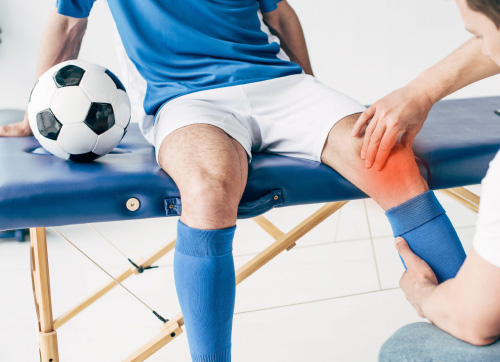
SEO Title: Pain Management for Athletes: Best Ways to Prevent and Treat Sports Injuries
Meta Description: Learn how athletes can manage pain effectively through prevention strategies, proper treatment, rehabilitation, and recovery techniques to stay active and injury-free.
Introduction
Athletes push their bodies to the limit — whether on the field, track, or in the gym. But with intense training and competition comes the risk of pain and injury. Managing this pain properly is essential not just for recovery but also for maintaining peak performance and preventing long-term damage.
Pain management for athletes involves more than painkillers — it’s about prevention, early intervention, and a balanced recovery strategy that blends medical treatment, physical therapy, and self-care.
Understanding Pain in Sports
Types of Pain Athletes Experience
- Acute Pain:
Sudden pain from an injury like a sprain, strain, or fracture. It usually resolves once the injury heals. - Chronic Pain:
Long-lasting pain that persists even after recovery, often due to overuse or poor rehabilitation. - Referred Pain:
Pain felt in one area but caused by an injury elsewhere (e.g., lower back pain from tight hamstrings).
Understanding the type of pain helps determine the right treatment and recovery plan.
Common Sports Injuries That Cause Pain
- Muscle Strains and Sprains – Caused by overstretching or tearing muscle fibers.
- Tendonitis – Inflammation of tendons due to repetitive motion.
- Stress Fractures – Tiny bone cracks from overuse or fatigue.
- Shin Splints – Pain in the lower leg from overtraining or improper footwear.
- Rotator Cuff Injuries – Common in sports involving overhead movements like swimming or baseball.
- Runner’s Knee (Patellofemoral Pain Syndrome) – Pain around the kneecap caused by repetitive stress.
Each injury requires targeted care and recovery to ensure athletes return safely to their sport.
Preventing Sports-Related Pain and Injuries
1. Warm-Up and Cool-Down
Proper warm-ups increase blood flow and flexibility, reducing the risk of sudden strains. Cooling down afterward helps prevent stiffness and soreness.
2. Strength and Flexibility Training
Building strong, flexible muscles helps stabilize joints and prevent injuries. Incorporating stretching, yoga, and mobility exercises can reduce chronic pain and improve range of motion.
3. Proper Technique and Equipment
Incorrect posture or form during workouts can lead to repetitive stress injuries. Using the right gear — like shock-absorbing shoes or supportive braces — also prevents strain.
4. Adequate Rest and Recovery
Overtraining is one of the leading causes of pain in athletes. Rest days are crucial for allowing muscles and joints to repair.
5. Nutrition and Hydration
A balanced diet rich in protein, omega-3 fatty acids, calcium, and antioxidants supports tissue repair and reduces inflammation. Hydration also maintains muscle elasticity and function.
Pain Management Techniques for Athletes
1. R.I.C.E. Method (Rest, Ice, Compression, Elevation)
This classic method is highly effective for acute injuries.
- Rest: Prevents further damage.
- Ice: Reduces inflammation and swelling.
- Compression: Supports injured areas.
- Elevation: Minimizes fluid buildup.
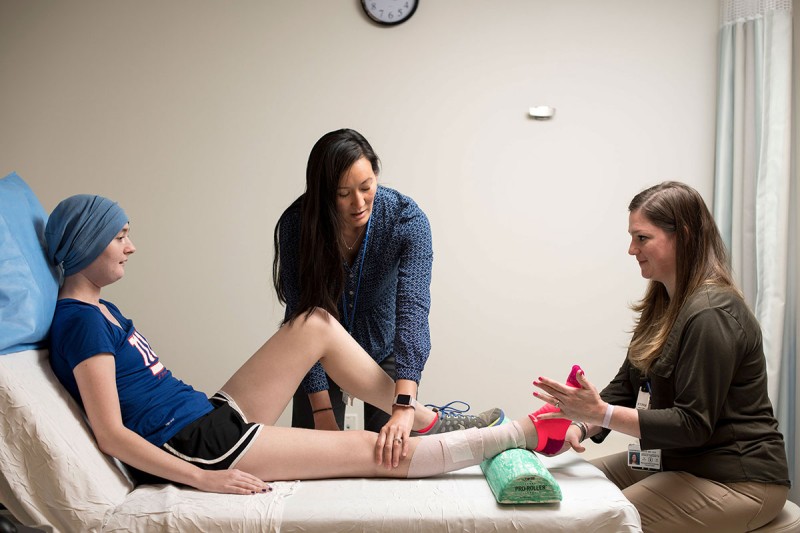
2. Physical Therapy and Rehabilitation
A sports physiotherapist designs personalized programs that focus on restoring mobility, strength, and coordination. Techniques may include:
- Manual therapy
- Stretching and strengthening exercises
- Ultrasound or electrical stimulation therapy
Rehabilitation helps athletes return to full performance while minimizing reinjury risks.
3. Massage and Myofascial Release
Sports massage improves circulation, reduces muscle tension, and speeds recovery. Myofascial release targets tight connective tissues, easing chronic pain and stiffness.
4. Medication and Pain Relief Options
Non-steroidal anti-inflammatory drugs (NSAIDs) like ibuprofen help manage inflammation and pain. However, prolonged use should be avoided.
For severe pain, doctors may prescribe stronger medications or corticosteroid injections — but only under medical supervision.
5. Alternative Therapies
Holistic approaches such as acupuncture, cryotherapy, hydrotherapy, and laser therapy are becoming increasingly popular among athletes for managing chronic pain and accelerating recovery.
6. Mind-Body Techniques
Mental resilience plays a key role in pain tolerance and recovery.
Practices like mindfulness, meditation, and breathing exercises can help athletes cope with pain and anxiety during rehabilitation.
Rehabilitation and Long-Term Recovery
Gradual Return to Activity
Returning to training too early can worsen injuries. A gradual, structured approach helps rebuild endurance and confidence without causing setbacks.
Monitoring Pain Signals
Athletes should learn to differentiate between normal soreness and injury pain. Ignoring persistent discomfort can lead to chronic conditions.
Cross-Training
Engaging in alternative exercises — like swimming, cycling, or yoga — maintains fitness while resting the injured area.
When to See a Doctor
Seek immediate medical attention if:
- Pain persists beyond a few days
- Swelling or bruising worsens
- You experience numbness or tingling
- You cannot move the affected joint normally
Prompt diagnosis and intervention are key to avoiding long-term damage.
Conclusion
Pain management for athletes is about balance — pushing the body to perform while giving it the care and recovery it needs. By combining preventive strategies, proper rehabilitation, and mental resilience, athletes can manage pain effectively, recover faster, and return stronger than before.
Staying proactive and listening to your body is the best defense against sports-related pain.
FAQs
1. What is the fastest way to recover from a sports injury?
Following the R.I.C.E. method, staying hydrated, and consulting a physiotherapist are essential for fast and safe recovery.
2. Should athletes use painkillers after every workout?
No. Painkillers should only be used when necessary and under medical supervision. Overuse can hide injuries and delay healing.
3. How long does it take to recover from a muscle strain?
Mild strains heal within 1–2 weeks, while severe ones may take 4–6 weeks or longer depending on the extent of injury.
4. Can stretching really help with pain prevention?
Yes. Regular stretching improves flexibility, reduces muscle tension, and prevents overuse injuries.
5. Is it safe to train through pain?
No. Pain is a warning signal. Training through pain can lead to serious injuries or chronic conditions.










Post Comment