Pain Management in Cancer Care: Approaches for Better Quality of Life
SEO Title: Pain Management in Cancer Care: Effective Approaches for a Better Quality of Life
Meta Description: Learn about pain management in cancer care, including medications, therapies, and holistic approaches that help patients improve comfort, mobility, and overall well-being.
Introduction
Pain is one of the most common and distressing symptoms experienced by people living with cancer. It can affect daily activities, sleep, emotional health, and overall quality of life. However, modern pain management in cancer care offers effective ways to control pain through a combination of medical treatments, psychological support, and lifestyle strategies.
Understanding how cancer pain develops and how it can be managed is crucial for both patients and caregivers. With the right approach, pain doesn’t have to define the cancer journey.
Understanding Cancer-Related Pain
What Causes Cancer Pain?
Cancer pain can arise from various factors, including:
- Tumor growth: Tumors pressing on bones, nerves, or organs.
- Treatment effects: Pain caused by surgery, chemotherapy, or radiation.
- Infections or inflammation: Resulting from weakened immunity.
- Nerve damage: Known as neuropathic pain, often long-lasting and complex.
The intensity and type of pain vary for each person — from mild discomfort to severe, chronic pain — making individualized pain management essential.
Types of Cancer Pain
- Acute Pain: Short-term pain, often due to medical procedures or treatment.
- Chronic Pain: Lasts for months or longer, commonly linked to nerve or tissue damage.
- Breakthrough Pain: Sudden, severe flare-ups that occur even when pain is otherwise controlled.
- Neuropathic Pain: Caused by nerve damage, often described as burning or tingling.
Each type requires a tailored treatment plan to ensure maximum comfort and relief.
Medical Approaches to Cancer Pain Management
1. Medications
Medications are often the first line of defense in cancer pain management. Doctors use a stepwise approach, following the World Health Organization’s (WHO) pain ladder:
- Mild Pain: Non-opioid medications such as acetaminophen or NSAIDs (ibuprofen).
- Moderate Pain: Weak opioids like codeine or tramadol.
- Severe Pain: Strong opioids such as morphine, oxycodone, or fentanyl.
In many cases, adjuvant drugs — such as antidepressants, anticonvulsants, or steroids — are added to enhance pain relief and address nerve pain or inflammation.
Important: Pain medication should always be prescribed and monitored by a healthcare provider to avoid side effects and ensure safety.
2. Radiation Therapy
Radiation can shrink tumors pressing on nerves or bones, reducing pain significantly. It’s particularly effective for bone metastases or localized tumor pain.
3. Nerve Blocks and Injections
When pain is localized and doesn’t respond to medication, nerve blocks or epidural injections can help. These procedures temporarily interrupt pain signals to the brain, providing lasting relief for weeks or months.
4. Surgery
Surgical interventions may be used to remove tumors, stabilize bones, or relieve pressure on nerves — all of which can help minimize pain.
Non-Medical and Holistic Approaches
1. Physical Therapy and Exercise
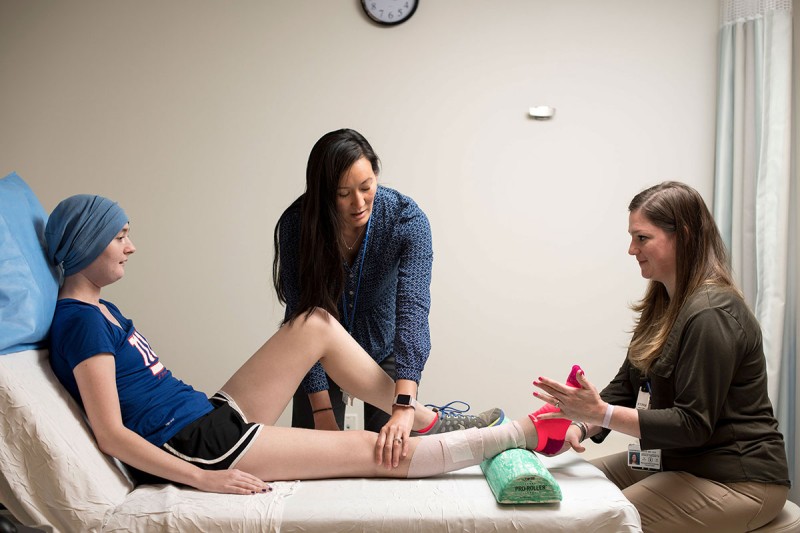
Gentle exercises improve circulation, reduce stiffness, and enhance mobility. Physical therapy also helps rebuild strength lost during treatment and reduces fatigue-related pain.
2. Mindfulness and Relaxation Techniques
Cancer pain can worsen with stress and anxiety. Techniques like meditation, guided imagery, breathing exercises, and yoga help calm the mind and reduce pain perception.
3. Acupuncture and Massage Therapy
Acupuncture has been shown to relieve certain types of pain, especially nerve-related pain, and improve mood. Massage therapy can also promote relaxation and ease muscle tension.
4. Cognitive Behavioral Therapy (CBT)
CBT helps patients manage the emotional toll of chronic pain. By reframing thoughts about pain and focusing on coping strategies, patients can reduce anxiety and improve resilience.
5. Nutrition and Hydration
A well-balanced diet rich in antioxidants, omega-3 fatty acids, and whole grains supports healing and strengthens the immune system. Staying hydrated helps the body respond better to medications and reduces inflammation.
The Role of Palliative Care in Cancer Pain Management
Palliative care focuses on comfort, dignity, and quality of life for patients at any stage of cancer. It integrates physical, emotional, and spiritual care, ensuring that pain and other symptoms are effectively controlled.
Palliative care teams include doctors, nurses, psychologists, nutritionists, and therapists who work together to create a personalized pain management plan tailored to each patient’s needs.
Empowering Patients and Caregivers
Effective pain management relies on open communication between patients and healthcare providers.
Here’s how patients and caregivers can help improve care outcomes:
- Keep a pain diary to record triggers, intensity, and duration.
- Report any changes in pain or side effects promptly.
- Don’t hesitate to discuss emotional challenges.
- Follow medication schedules accurately.
- Seek counseling or support groups to share experiences and find strength.
Conclusion
Pain management in cancer care is about more than just controlling discomfort — it’s about restoring dignity, hope, and quality of life. With a combination of medical treatments, holistic therapies, and emotional support, patients can live more comfortably and maintain a sense of normalcy during their journey.
No one should suffer in silence. Effective pain relief is possible with the right guidance, care, and compassion.
FAQs
1. Can cancer pain be completely cured?
Not always, but it can almost always be effectively managed with medication, therapy, and palliative care.
2. Are opioids safe for cancer pain?
Yes, when prescribed and monitored by doctors. The risk of addiction is low when used responsibly for medical purposes.
3. Does every cancer patient experience pain?
No. Pain varies by type, stage, and treatment of cancer. Some patients experience mild or no pain at all.
4. What is palliative care, and when should it start?
Palliative care focuses on improving quality of life and managing symptoms. It can start at any stage of cancer — not just the advanced stages.
5. Can natural remedies help manage cancer pain?
Yes, complementary therapies like acupuncture, mindfulness, and gentle exercise can enhance pain relief when used alongside medical treatment.













Post Comment