The Connection Between Diabetes and Heart Disease
Introduction
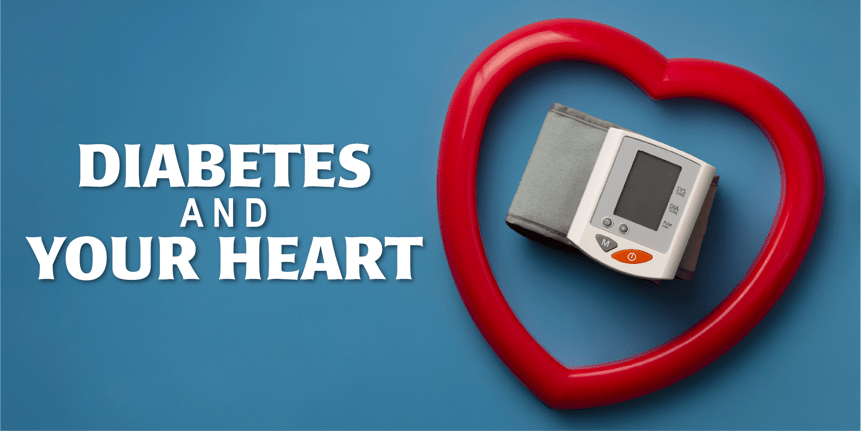
Diabetes and heart disease are two of the most common chronic health conditions affecting millions worldwide. What many people don’t realize is that diabetes and heart disease are closely linked. In fact, adults with diabetes are two to four times more likely to develop heart disease or experience a stroke compared to those without diabetes.
This strong connection stems from how high blood sugar damages blood vessels, disrupts cholesterol balance, and promotes inflammation — all of which contribute to cardiovascular complications. Understanding this link is essential for prevention, early detection, and long-term management.
Understanding the Relationship Between Diabetes and Heart Disease
How Diabetes Affects the Heart
Diabetes occurs when your body cannot effectively use or produce insulin — a hormone that regulates blood sugar. Over time, high blood sugar (hyperglycemia) damages blood vessels and nerves that control the heart.
This damage causes arteries to become narrow, stiff, and clogged with fatty deposits, a process known as atherosclerosis. The result is reduced blood flow to the heart and other vital organs, leading to complications such as coronary artery disease (CAD), heart attack, and stroke.
Why People with Diabetes Have a Higher Risk
- Insulin Resistance: In type 2 diabetes, the body’s cells don’t respond properly to insulin, increasing fat buildup in arteries.
- High Blood Pressure: Many diabetics also suffer from hypertension, which strains the heart.
- High Cholesterol and Triglycerides: Unbalanced lipid levels contribute to plaque formation.
- Obesity: Excess weight increases insulin resistance and heart disease risk.
- Chronic Inflammation: Elevated blood sugar triggers inflammation, damaging artery walls over time.
Types of Heart Disease Common in People with Diabetes
1. Coronary Artery Disease (CAD)
CAD is the most common heart problem among people with diabetes. It occurs when plaque builds up inside coronary arteries, restricting blood flow to the heart muscle. This can lead to chest pain (angina) or a heart attack.
2. Heart Failure
Long-term diabetes weakens the heart muscle, making it less efficient at pumping blood. This can lead to heart failure, where the heart cannot meet the body’s oxygen needs.
3. Peripheral Artery Disease (PAD)
PAD affects blood flow to the legs and feet, leading to pain, numbness, and poor circulation. People with diabetes and PAD are at higher risk of infections and even amputations.
4. Stroke
Because diabetes contributes to blood vessel damage and clot formation, it significantly increases the risk of stroke — when blood supply to part of the brain is blocked.
How High Blood Sugar Damages the Cardiovascular System
1. Endothelial Damage
The endothelium is the inner lining of blood vessels. Chronic high blood sugar damages this lining, making arteries less flexible and more prone to plaque buildup.
2. Oxidative Stress
Excess glucose in the blood increases the production of free radicals — unstable molecules that damage cells and accelerate atherosclerosis.
3. Inflammation
Inflammation caused by high blood sugar promotes the buildup of cholesterol and fat in artery walls, increasing the risk of clots and blockages.
4. Nerve Damage
Diabetic neuropathy affects nerves controlling the heart, sometimes masking symptoms of heart attack (known as silent ischemia).
Warning Signs to Watch For
Heart disease in people with diabetes may not always present typical symptoms. Common warning signs include:
- Shortness of breath
- Fatigue or weakness
- Chest pain or pressure
- Pain in the jaw, neck, or shoulder
- Irregular heartbeat
- Swelling in feet, ankles, or legs
If you have diabetes and experience any of these symptoms, seek medical help immediately.
Preventing Heart Disease in People with Diabetes
1. Control Blood Sugar Levels
Maintaining healthy blood glucose is key to reducing heart disease risk.
Target A1C levels below 7% (as recommended by doctors) through proper medication, exercise, and diet.
2. Monitor Blood Pressure and Cholesterol
- Blood Pressure Goal: Below 130/80 mmHg
- LDL (“Bad”) Cholesterol Goal: Below 100 mg/dL
Regular checkups and medications (if prescribed) can help keep these numbers in control.
3. Adopt a Heart-Healthy Diet
Choose foods that regulate blood sugar and protect the heart:
- Whole grains, leafy greens, and lean proteins
- Limit trans fats, processed foods, and sugary drinks
- Include omega-3 fatty acids from fish or flaxseeds
4. Exercise Regularly
Engage in at least 150 minutes of moderate activity per week, such as walking, swimming, or cycling. Exercise helps improve insulin sensitivity and heart function.
5. Quit Smoking and Limit Alcohol
Smoking damages blood vessels, while excessive alcohol raises blood sugar and blood pressure. Quitting smoking can cut your risk of heart disease by up to 50%.
6. Manage Stress
Chronic stress increases cortisol levels, which can worsen blood sugar control and heart health. Try yoga, meditation, or breathing exercises to reduce tension.
Medications That Protect the Heart in Diabetic Patients
Certain medications used for diabetes management also protect cardiovascular health:
- SGLT2 inhibitors (e.g., empagliflozin) – reduce heart failure risk
- GLP-1 receptor agonists (e.g., liraglutide) – lower stroke and heart attack risk
- ACE inhibitors or ARBs – control blood pressure and prevent kidney damage
Always consult a healthcare provider before starting or adjusting any medication.
The Role of Technology in Managing Diabetes and Heart Disease
Modern technology has made it easier for people with diabetes to manage their health and prevent complications:
- Continuous Glucose Monitors (CGMs): Provide real-time blood sugar tracking.
- Smartwatches and Fitness Trackers: Monitor heart rate, activity, and blood pressure.
- Telemedicine: Enables virtual consultations with endocrinologists and cardiologists.
Platforms like VoicesOfConservation.org promote awareness and access to reliable information about preventive care for both diabetes and cardiovascular diseases.
Conclusion
The connection between diabetes and heart disease is undeniable — but it’s not inevitable. By managing blood sugar, maintaining a healthy lifestyle, and addressing risk factors early, individuals can significantly reduce their chances of heart complications.
Prevention starts with awareness, consistent monitoring, and informed choices. Taking proactive steps today can help ensure a healthier, stronger heart for the future.
FAQs
1. Why does diabetes increase the risk of heart disease?
High blood sugar damages blood vessels and nerves, causing artery blockages that lead to heart disease and stroke.
2. Can controlling blood sugar prevent heart problems?
Yes. Keeping blood glucose within the target range greatly reduces the risk of heart disease and other complications.
3. Are people with type 2 diabetes more likely to have heart disease?
Yes, type 2 diabetes often coexists with high blood pressure, obesity, and high cholesterol — major contributors to cardiovascular disease.
4. What foods help prevent both diabetes and heart disease?
Fruits, vegetables, whole grains, legumes, and foods rich in omega-3 fatty acids help regulate blood sugar and protect the heart.
5. How can I monitor my heart health if I have diabetes?
Regular ECGs, blood pressure checks, cholesterol tests, and using wearables or glucose monitors can help track both heart and diabetes health effectively.













Post Comment