The Future of Cardiology: AI and Technology Transforming Heart Care

Introduction
Cardiology is rapidly evolving as artificial intelligence (AI) and advanced technologies reshape how we diagnose, prevent, and treat heart diseases. The integration of AI, machine learning, robotics, and wearable devices has revolutionized the way cardiologists work and patients receive care. This transformation has not only improved diagnostic accuracy but also made personalized and preventive heart care a reality.
In today’s digital healthcare era, the future of cardiology is powered by smart data, real-time monitoring, and innovative digital tools that empower both doctors and patients to make informed decisions. Let’s explore how AI and technology are shaping this exciting future.
The Role of Artificial Intelligence in Modern Cardiology
AI-Powered Diagnostics
AI algorithms can analyze large sets of medical data such as ECGs, echocardiograms, and cardiac imaging scans within seconds. This helps detect abnormalities like arrhythmias, coronary artery disease, and heart failure much earlier than traditional methods.
Machine learning tools are trained to identify subtle signs that might go unnoticed by the human eye, allowing for faster and more accurate diagnoses.
Predictive Analytics for Early Detection
Predictive analytics, a key branch of AI, uses patient data to forecast potential cardiac events before they happen. By analyzing risk factors such as blood pressure, cholesterol levels, and genetic data, AI models can predict who is most likely to suffer from heart disease—enabling early intervention and lifestyle changes.
Smart Wearable Devices and Remote Monitoring
Continuous Heart Health Tracking
Wearable devices like smartwatches and fitness trackers are transforming how we monitor heart health. These devices can track heart rate, rhythm, oxygen levels, and even detect irregularities like atrial fibrillation (AFib).
Data from wearables can be transmitted to healthcare providers in real-time, allowing for continuous monitoring outside of hospitals.
Remote Cardiac Care
Telemedicine combined with AI has made it possible to deliver cardiac consultations remotely. Patients can share their heart health data with cardiologists, reducing the need for in-person visits while ensuring timely care and adjustments to treatment plans.
AI in Cardiac Imaging and Surgery
Enhanced Imaging Precision
AI enhances imaging technologies such as MRI and CT scans, improving the clarity and interpretation of results. Automated image analysis reduces human error and accelerates the diagnostic process.
For example, AI can highlight plaque buildup in arteries or detect subtle structural changes in the heart—helping doctors make quicker, more accurate treatment decisions.
Robotics and Minimally Invasive Procedures
Robotic-assisted cardiac surgery is another remarkable advancement. Surgeons can perform complex procedures with higher precision and minimal invasiveness. AI-powered robots assist by stabilizing instruments and providing real-time imaging feedback, reducing complications and improving recovery time.
Data-Driven Personalized Cardiac Care
Precision Medicine in Cardiology
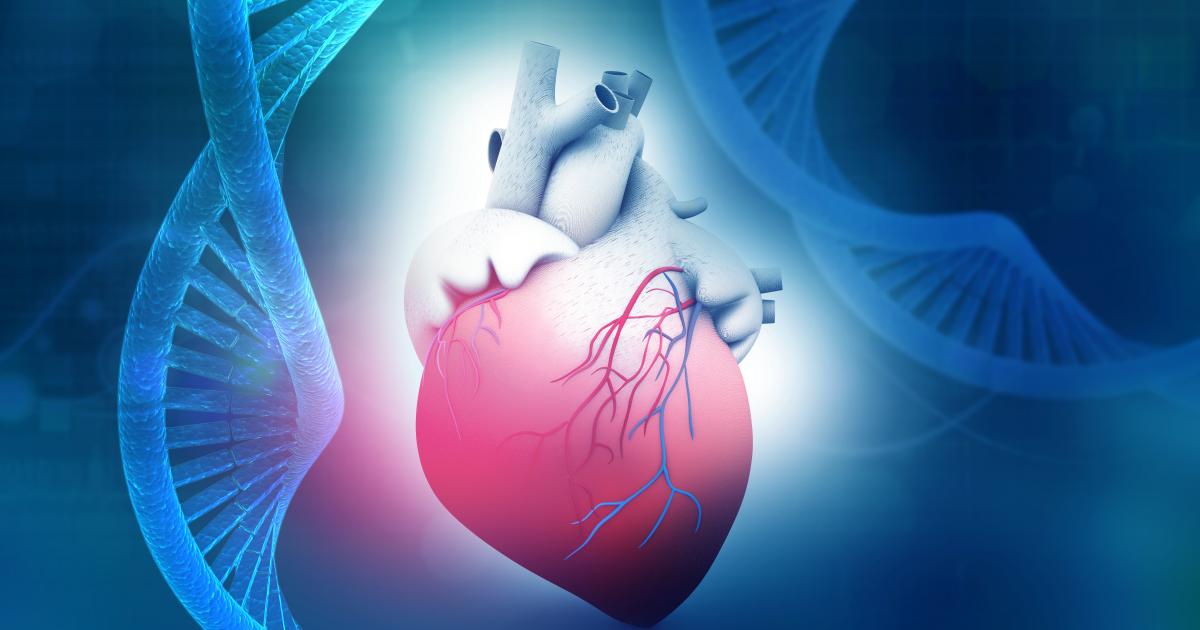
AI allows cardiologists to tailor treatments based on each patient’s unique genetic profile, lifestyle, and risk factors. This personalized approach helps improve medication effectiveness, reduce side effects, and enhance recovery outcomes.
With the integration of genomic data, cardiology is moving towards precision medicine, where treatment is as unique as the patient.
AI in Drug Development and Research
AI is accelerating the discovery of new cardiovascular drugs by analyzing massive datasets and simulating how compounds interact with heart tissues. This speeds up research and reduces the time needed to bring effective medications to market.
The Role of Big Data in Cardiology
AI thrives on data, and the growing availability of electronic health records (EHRs), genetic information, and real-time patient monitoring creates a rich resource for cardiac research.
Big data analytics enables healthcare providers to uncover trends, evaluate treatment outcomes, and make informed policy decisions that improve population-level heart health.
Challenges in Implementing AI in Cardiology
While the benefits are undeniable, challenges remain in data privacy, algorithm bias, and integration into clinical workflows. Ensuring that AI systems are trained on diverse populations is crucial to avoid diagnostic inequalities.
Additionally, healthcare professionals must be trained to interpret AI results effectively and maintain the human touch that is vital in patient care.
The Future Landscape of Cardiology
The future of cardiology will likely feature fully integrated AI systems, predictive health models, and personalized cardiac treatments. With continuous innovation, wearable devices and smart diagnostics will evolve into intelligent health companions that can detect and even prevent heart conditions before symptoms appear.
This blend of AI and human expertise promises a new era of proactive, data-driven, and compassionate heart care.
Conclusion
AI and technology are redefining cardiology by improving accuracy, efficiency, and accessibility. From predictive analytics to robotic surgery, the synergy between innovation and medical expertise is saving lives and shaping a healthier future.
As we move forward, embracing these advancements responsibly will ensure that every heartbeat counts in the journey toward better cardiovascular health.
FAQs
1. How is AI used in cardiology?
AI helps analyze ECGs, imaging scans, and patient data to detect heart diseases early and provide accurate diagnoses faster than traditional methods.
2. Can wearable devices really detect heart problems?
Yes, modern wearables can track heart rhythm, detect irregularities like AFib, and alert users and doctors in real-time.
3. What is predictive analytics in heart care?
Predictive analytics uses AI algorithms to assess a patient’s health data and predict potential heart risks, allowing for preventive care and early intervention.
4. Are robotic heart surgeries safe?
Robotic-assisted surgeries are highly precise and minimally invasive, reducing complications, recovery time, and hospital stays.
5. What is the biggest challenge of using AI in cardiology?
Data security, algorithm bias, and integration with existing healthcare systems remain major challenges that must be addressed for widespread adoption.












Post Comment