What Happens When You Stop Taking GLP-1?
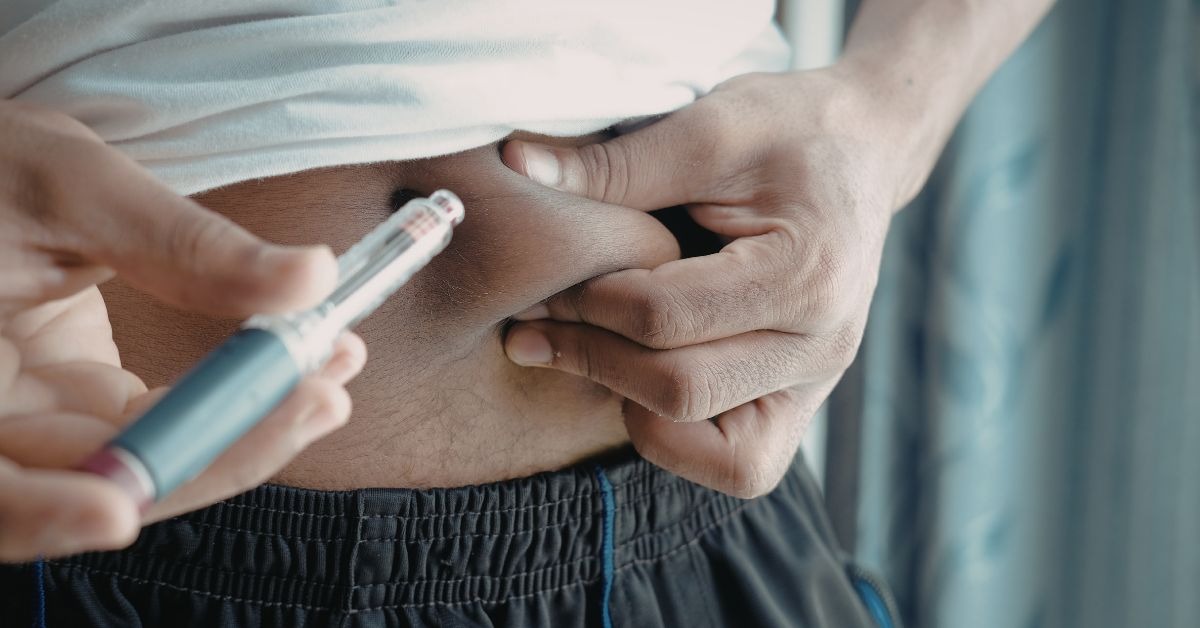
GLP-1 medications, including semaglutide, tirzepatide, and similar therapies, have revolutionized weight management for many individuals by reducing appetite, increasing satiety, and supporting overall metabolic health. However, a key concern for users is understanding what happens when you stop taking GLP-1. While these medications are highly effective while in use, their effects gradually diminish once treatment ends, and the body’s natural appetite and metabolic patterns can return. This transition can make it easier to regain weight if proper strategies aren’t in place.
This is where FitRx becomes a valuable resource. By offering structured guidance, tracking tools, and personalized support, FitRx helps users manage their nutrition, habits, and activity levels after discontinuing GLP-1 therapy. With consistent monitoring and tailored strategies, individuals can maintain the results they achieved during treatment, minimize rebound effects, and continue progressing toward long-term weight management goals.
How GLP-1 Medications Work
GLP-1 medications mimic the body’s natural glucagon-like peptide-1 hormone, which regulates insulin, appetite, and digestion. While taking the medication, users often experience reduced hunger, better portion control, and steady weight loss.
Stopping GLP-1 removes this hormonal support, which can lead to a gradual return of appetite and natural eating cues. Understanding these changes helps prepare for post-GLP-1 weight management and avoid rebound weight gain. FitRx allows users to track appetite changes, weight trends, and behavioral patterns to adjust accordingly.
Immediate Effects After Stopping
When discontinuing GLP-1 medications, the body begins returning to its pre-treatment hormonal state. Appetite often increases within days to weeks, and the body may naturally signal higher calorie intake. Some individuals notice cravings returning or reduced satiety during meals.
Weight may stabilize initially but can gradually creep upward if lifestyle habits are not maintained. FitRx emphasizes monitoring daily habits and weight trends to identify early changes and prevent significant rebound weight gain.
Medium-Term Changes: Weeks to Months
In the first few months after stopping GLP-1, appetite normalization continues, and energy intake may rise. Some users may regain part of the weight lost during treatment if adjustments are not made.
The extent of weight regain depends on lifestyle behaviors. Those who adopt structured nutrition, regular activity, and mindful eating habits are more likely to maintain results. FitRx helps implement these strategies by providing meal planning, exercise tracking, and accountability tools that reinforce healthy routines.
Long-Term Considerations
Over time, stopping GLP-1 may lead to full restoration of previous appetite patterns if no other interventions are in place. However, long-term weight regain is not inevitable. Behavioral strategies, consistent diet quality, and activity levels are critical for sustainable results.
Monitoring and maintaining healthy habits, including portion control and high-nutrient meals, can mitigate the effects of stopping GLP-1. FitRx enables users to maintain structured routines that mimic the appetite regulation benefits of GLP-1 therapy, even without medication.
How to Maintain Weight After GLP-1
Maintaining weight requires focusing on protein-rich, high-fiber meals and nutrient-dense options that support satiety. Regular exercise remains critical for preserving lean body mass and preventing fat regain.
Mindful eating practices, such as recognizing hunger cues, eating slowly, and limiting distractions, further reinforce weight maintenance. Prescription weight loss programs for lasting results by FitRx integrate all these strategies, providing a comprehensive platform for monitoring habits, meals, and activity.
Common Mistakes to Avoid
Some common pitfalls after stopping GLP-1 include:
- Relying on willpower alone without structured support.
- Returning to highly processed or high-calorie foods.
- Reducing physical activity due to perceived “freedom” from the medication.
- Ignoring early signs of appetite increase or small weight changes.
FitRx provides tools to avoid these mistakes by combining habit tracking, meal logging, and progress monitoring in a simple, actionable framework.
Transitioning Off GLP-1 Successfully
Gradual lifestyle adjustments before discontinuing GLP-1 are ideal. This includes reinforcing meal planning, portion control, and activity routines while still on medication. By the time the medication is stopped, the body has already adapted to healthier habits, reducing the risk of rapid weight regain.
FitRx allows users to implement this phased approach, providing structured guidance to ease the transition and maintain results long-term.
Conclusion
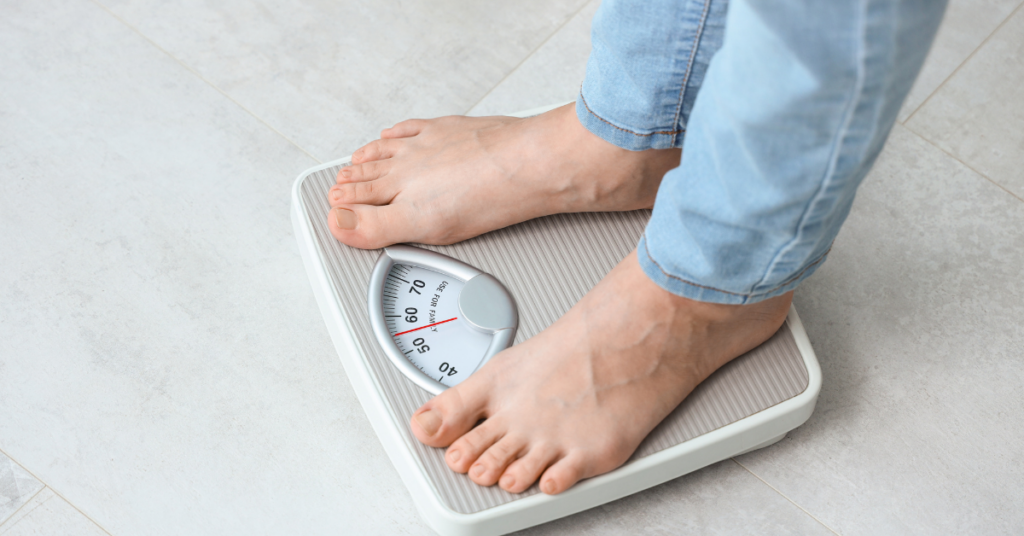
What happens when you stop taking GLP-1? Appetite and satiety signals gradually return to pre-treatment levels, which may lead to weight regain if not proactively managed. However, by adopting structured nutrition, regular activity, mindful eating, and habit tracking, users can maintain most of their results.
Programs designed to help users lose pounds effectively with GLP-1 treatments make post-therapy weight maintenance achievable. With tools for tracking meals, activity, and progress, individuals can maintain sustainable weight loss and long-term health outcomes.
FAQs
1. Will I regain all my weight after stopping GLP-1?
Not necessarily. Maintaining healthy habits can prevent most weight regain.
2. How soon do appetite changes occur after stopping GLP-1?
Appetite may increase within days to weeks after discontinuation.
3. Can exercise help maintain weight after GLP-1?
Yes, regular physical activity supports metabolism and prevents fat regain.
4. What dietary strategies help post-GLP-1?
Focus on protein, fiber, whole foods, and nutrient-dense meals to promote fullness.
5. How can I track and maintain progress effectively?
Using a structured tool like FitRx helps monitor weight, meals, activity, and habits for long-term success.











Post Comment