Women and Heart Disease: Unique Risks and Preventive Measures
Introduction
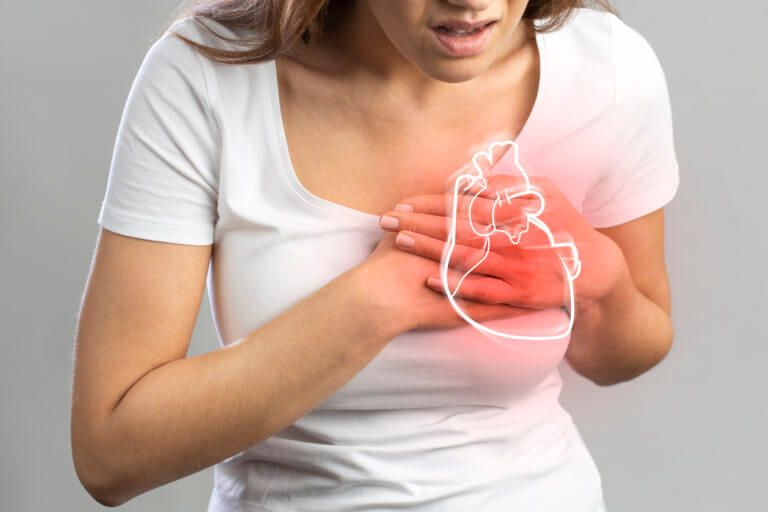
Heart disease is often viewed as a men’s health issue, but the truth is that it’s the leading cause of death among women worldwide. Despite significant advances in medicine, many women remain unaware of their unique risks and the ways heart disease can manifest differently from men.
Understanding how biological, hormonal, and lifestyle factors contribute to cardiovascular problems is essential for early prevention and treatment. Let’s explore the unique risks women face and the preventive steps they can take to protect their heart health.
Understanding Heart Disease in Women
Why Heart Disease Affects Women Differently
While both men and women can develop heart disease, symptoms, causes, and outcomes often differ.
In women, heart disease frequently results from a buildup of plaque in the smaller arteries that supply blood to the heart — a condition known as microvascular disease. These blockages may not always show up in traditional tests like angiograms, making diagnosis more challenging.
Additionally, hormonal changes, pregnancy-related complications, and menopause all influence a woman’s cardiovascular system in unique ways.
Common Types of Heart Disease in Women
- Coronary Artery Disease (CAD): Narrowing or blockage of major arteries due to plaque buildup.
- Heart Failure: The heart becomes too weak to pump blood efficiently.
- Arrhythmia: Irregular heartbeat caused by electrical disturbances.
- Broken Heart Syndrome (Takotsubo Cardiomyopathy): A temporary heart condition often triggered by extreme emotional stress.
- Microvascular Disease: Small vessel blockages that are harder to detect but cause significant chest pain or discomfort.
Unique Risk Factors for Women
1. Hormonal Changes and Menopause
Estrogen helps protect the heart by maintaining healthy blood vessels. After menopause, estrogen levels drop, increasing the risk of high blood pressure, cholesterol buildup, and artery damage.
2. Pregnancy-Related Complications
Conditions such as preeclampsia, gestational diabetes, and high blood pressure during pregnancy can raise the risk of developing heart disease later in life.
3. Polycystic Ovary Syndrome (PCOS)
Women with PCOS often have insulin resistance, obesity, and high cholesterol levels, which can contribute to cardiovascular problems.
4. Autoimmune Diseases
Autoimmune disorders like lupus and rheumatoid arthritis are more common in women and increase inflammation, which can damage blood vessels over time.
5. Depression and Stress
Emotional health has a direct connection to heart health. Chronic stress, anxiety, and depression are linked to high blood pressure, unhealthy eating, and lack of physical activity — all of which can raise heart disease risk.
Symptoms of Heart Disease in Women
Women’s heart attack symptoms can differ from the “classic” chest pain associated with men. Common warning signs include:
- Shortness of breath (even without chest pain)
- Nausea, vomiting, or indigestion-like discomfort
- Fatigue or dizziness
- Pain in the jaw, neck, shoulder, or back
- Sweating and lightheadedness
Because these symptoms are often subtle, women may dismiss them as minor health issues — delaying life-saving treatment.
Preventive Measures for Women’s Heart Health
1. Adopt a Heart-Healthy Diet
A balanced diet rich in fruits, vegetables, whole grains, and lean proteins helps control blood pressure and cholesterol. Limiting salt, sugar, and trans fats is also essential for cardiovascular protection.
The Mediterranean diet — high in olive oil, nuts, and fish — is particularly beneficial for heart health.
2. Stay Physically Active
Regular physical activity strengthens the heart and improves circulation.
Aim for at least 150 minutes of moderate exercise per week, such as walking, swimming, or cycling.
3. Manage Stress Effectively
Practicing relaxation techniques like yoga, meditation, or deep breathing can help regulate stress hormones that may harm the heart.
4. Regular Checkups and Screenings
Routine screenings for blood pressure, cholesterol, and blood sugar levels are vital for early detection.
Women with a family history of heart disease should undergo more frequent testing and cardiac evaluations.
5. Quit Smoking and Limit Alcohol
Smoking damages blood vessels and significantly increases heart disease risk.
Similarly, excessive alcohol intake can lead to high blood pressure and irregular heart rhythms.
The Role of Technology in Women’s Heart Health
With advancements in digital health, wearable devices and AI-powered health apps now allow women to monitor their heart rate, rhythm, and blood pressure in real time.
These tools can help detect early warning signs, promote healthier habits, and encourage preventive action — empowering women to take control of their cardiovascular health.
Raising Awareness and Education
Awareness campaigns and education programs play a key role in reducing the global burden of heart disease among women. Encouraging open discussions about heart health can help break myths, improve early detection, and inspire lifestyle changes.
Organizations and platforms like VoicesOfConservation.org are helping promote heart health awareness, preventive care, and lifestyle education among women of all ages.
Conclusion
Heart disease is not just a man’s problem — it’s a serious women’s health issue that demands attention, awareness, and proactive care.
By understanding their unique risks and taking preventive measures, women can significantly reduce their chances of heart disease and lead longer, healthier lives.
Empowering women with knowledge, technology, and access to healthcare is the cornerstone of a heart-healthy future.













Post Comment